
Omega stainless steel, 1940s
Friedemann glanced at the blued hands of his watch. Half past eight had come and gone, and today it was his turn to take Jean Pierre to school.
Before they stepped through the wide oak door, he turned back for the book he’d left on the mahogany table in the vestibule — a book he’d received from his brother Matteo almost exactly a year ago, to the day. This time last year, his eldest brother — the esteemed development engineer at Omega — had led him through the watch manufacture in Biel, proudly showing off the new masterpieces, all the while speaking with just as much enthusiasm about literature, music, politics.
Friedemann shared his brother’s enthusiasm, at least where music and literature were concerned. Current politics, though, was foreign territory to him — or perhaps he simply built an unconscious wall around himself whenever the subject came up. He didn’t like being knocked out of his comfort zone.
He glanced at his watch again. If only it didn’t show the exact time quite so mercilessly, at least now and then.
To Jean Pierre it seemed that Papa was even more distracted than usual today. That happened sometimes, when he was still under the spell of the previous evening’s concert.
“Papa, are we going now?” His voice echoed through the front hall like a dozen little bells.
The June sunlight, springing off the basalt cobblestones of the street like sparks, brought to Friedemann’s mind the title of the book his brother had given him:
“The Volcano”
With the novel by Thomas Mann’s eldest son, Klaus Mann — which depicted the difficult lives of those who had fled Nazi Germany, now living in emigration — in hand, and with angelic Jean Pierre at his side, they set off toward the school.
On the way, he listened with a satisfied smile to his little son’s excited account of yesterday’s trumpet lesson, which he’d attended with Mama, since Friedemann had had the general rehearsal with the Basel Chamber Orchestra that day.
Walking back, the music of yesterday’s premiere came alive in him again — the exposition of the first movement of Bartók’s Divertimento. On the street, the people flowed past like so many dancers caught up in that triple-pulsed Bartókian waltz, in which the dance-like character of the rhythm mingled with that proud tautness so particular to Hungarian music.
He entered the café almost dancing.
As he leaned back in the art deco chair upholstered in blue fabric with fine gold embroidery, setting the book down on the table before him, the feeling from last night’s concert suddenly stabbed through him again.
The contrast between the peaceful bustle of the street outside the café and the horror raging beyond Switzerland’s borders — the ominous opening bars of the Divertimento’s middle movement, and the lament that followed, one grieving chord after another. A musical prophecy.
For when Bartók composed this work here in Switzerland in August 1939, in just two weeks — not long after he’d visited Matteo in Biel, where Friedemann had commissioned this breathtakingly beautiful watch that even now, on his wrist, so mercilessly reminded him of time’s passing, and Matteo had given him this book that now lay before him on the table, which he still hadn’t managed to bring himself to read — back then, Europe was still at peace.
He found himself wondering whether Bartók, too, was following the fates of the book’s characters. Whether he, too, would leave behind his homeland, Hungary, and choose emigration, so as not to have to watch as those unworthy of it decided the fates of their fellow men.
Unspoken, he hoped that once this madness passed, these works — Bartók’s Divertimento, Klaus Mann’s novel, and perhaps even this watch — born in this age, out of this age, would serve as a reminder and a warning to the generations to come.
He opened the book and began to read:
PROLOGUE
A young man sat in a Berlin boarding-house room, writing a letter.
Berlin, April 20, 1933.
“Dear Karl, I hope you arrived safely in Paris and are doing well.”
To be continued …
More than a watch. A window into history.
Year of manufacture: 1939
Material: Stainless-steel
Movement: Hand-wound
Caliber: 30 (in-house)
Diameter: 37mm (measured without crown)
Estimated price 2500€
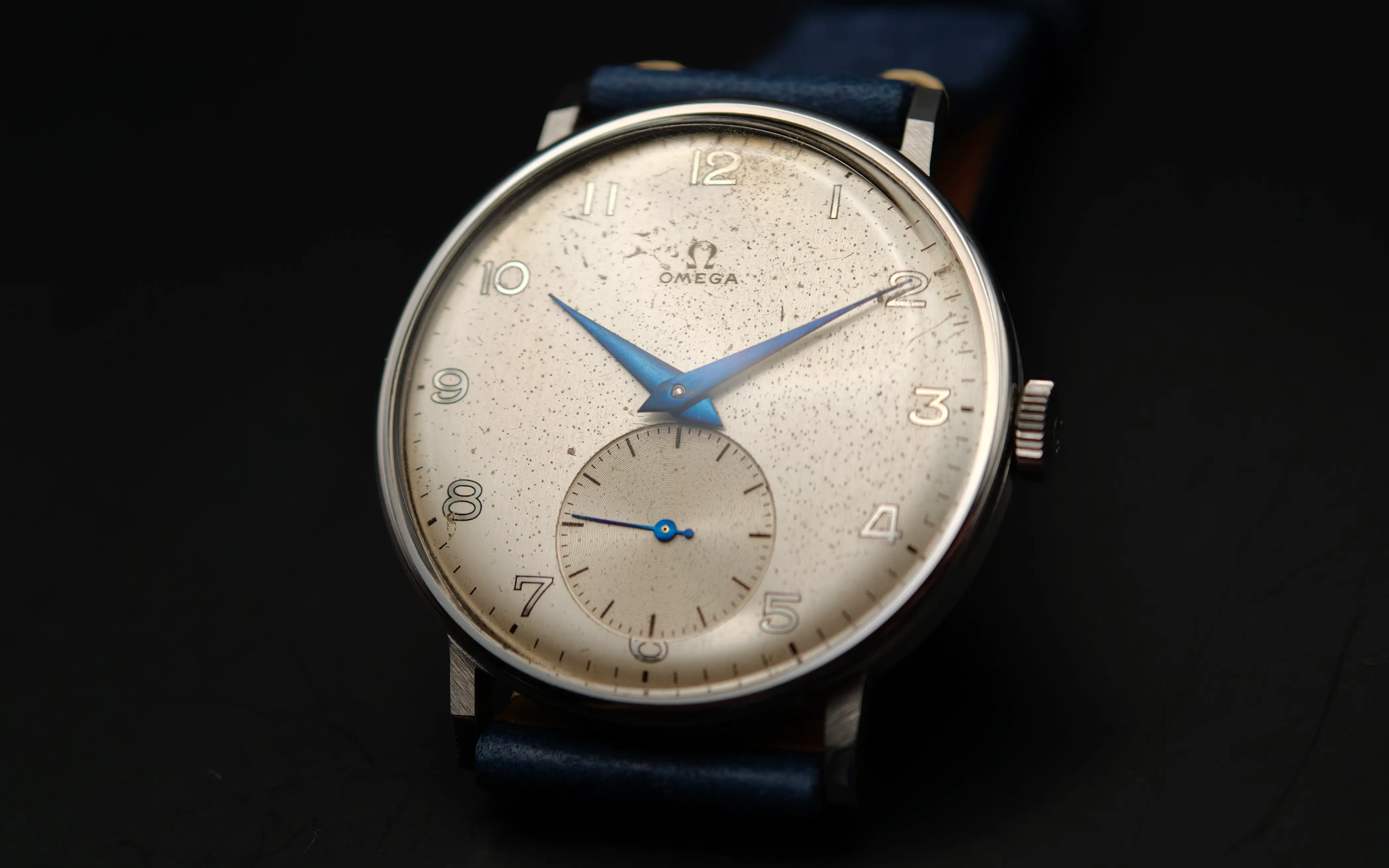
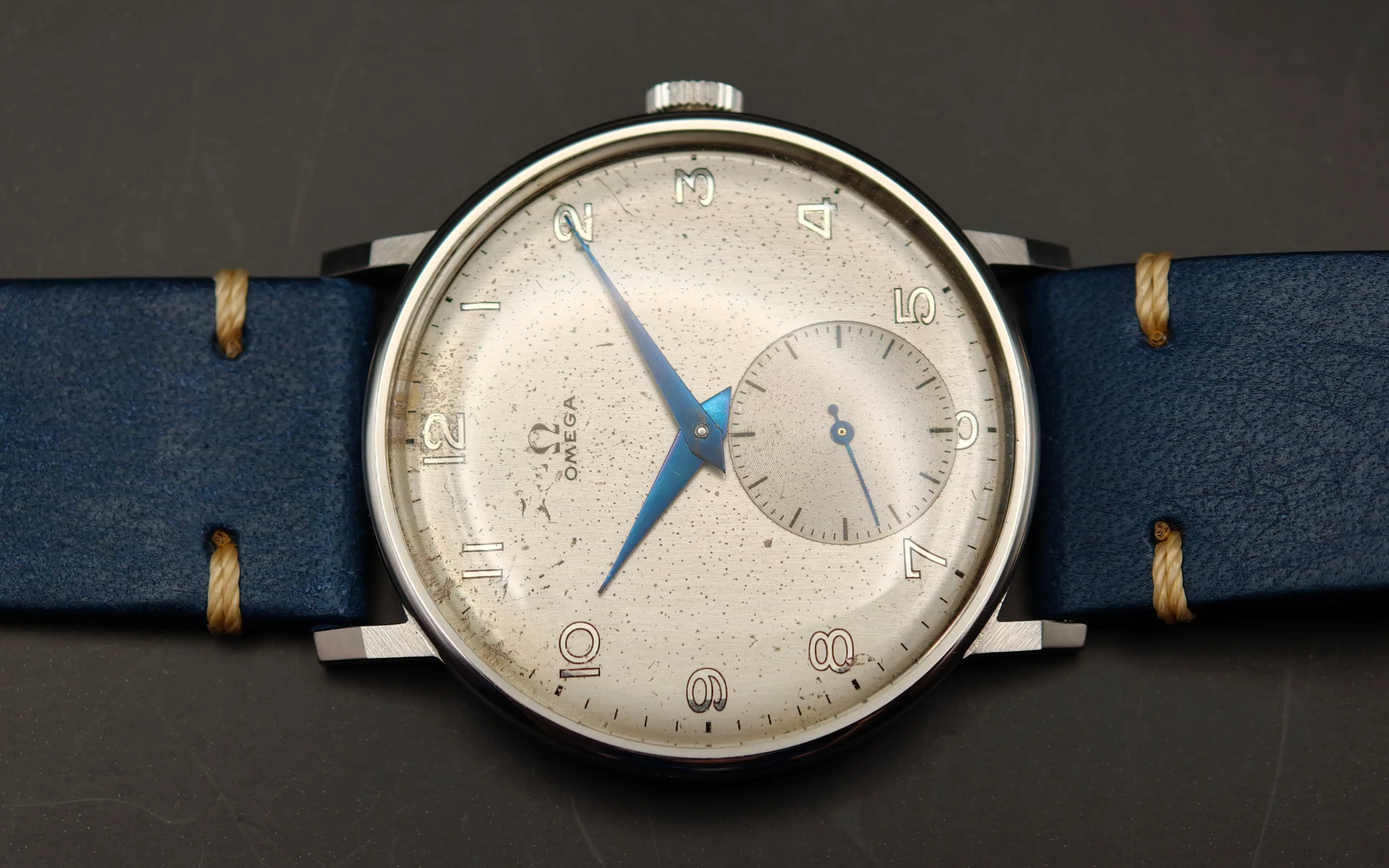
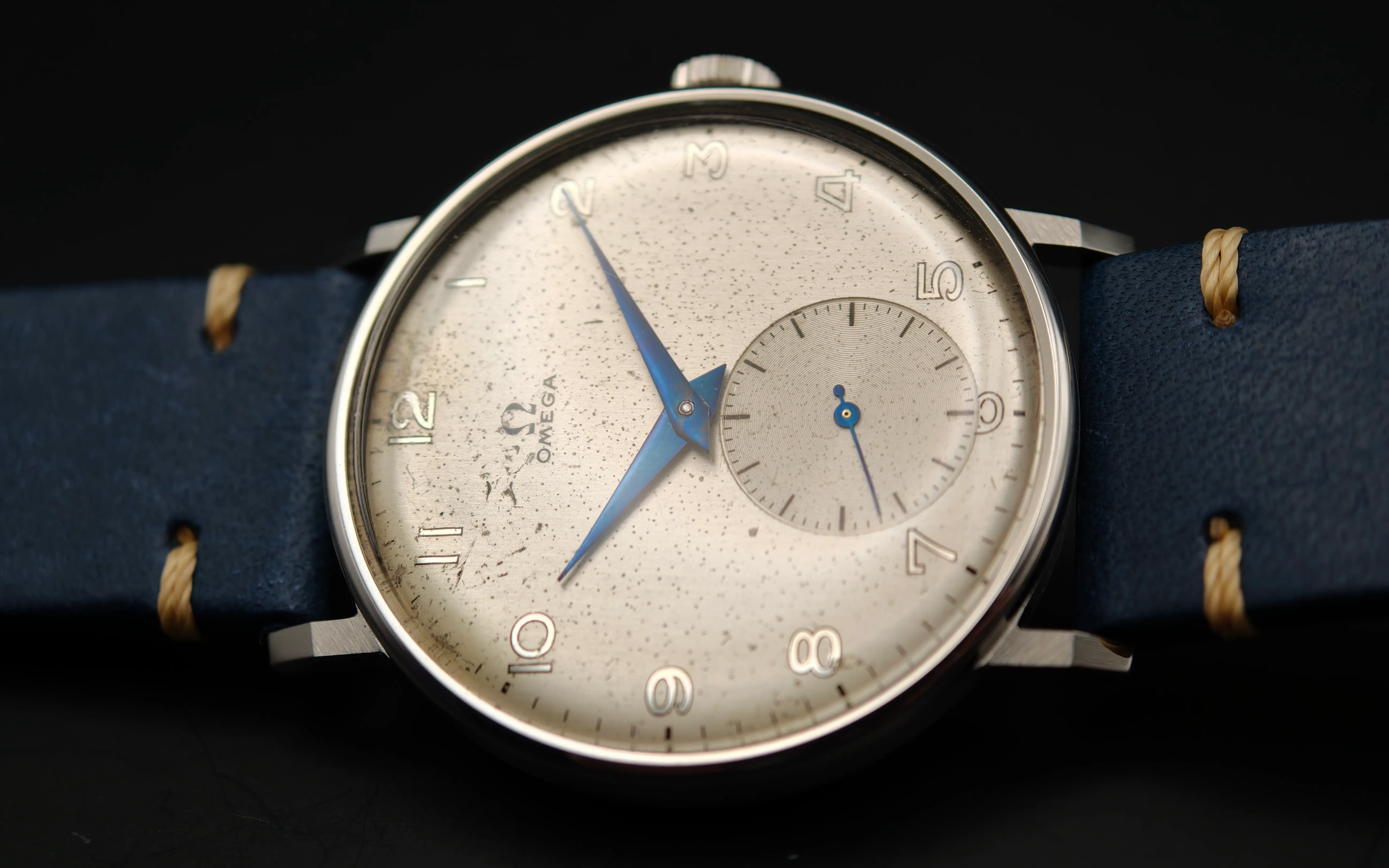
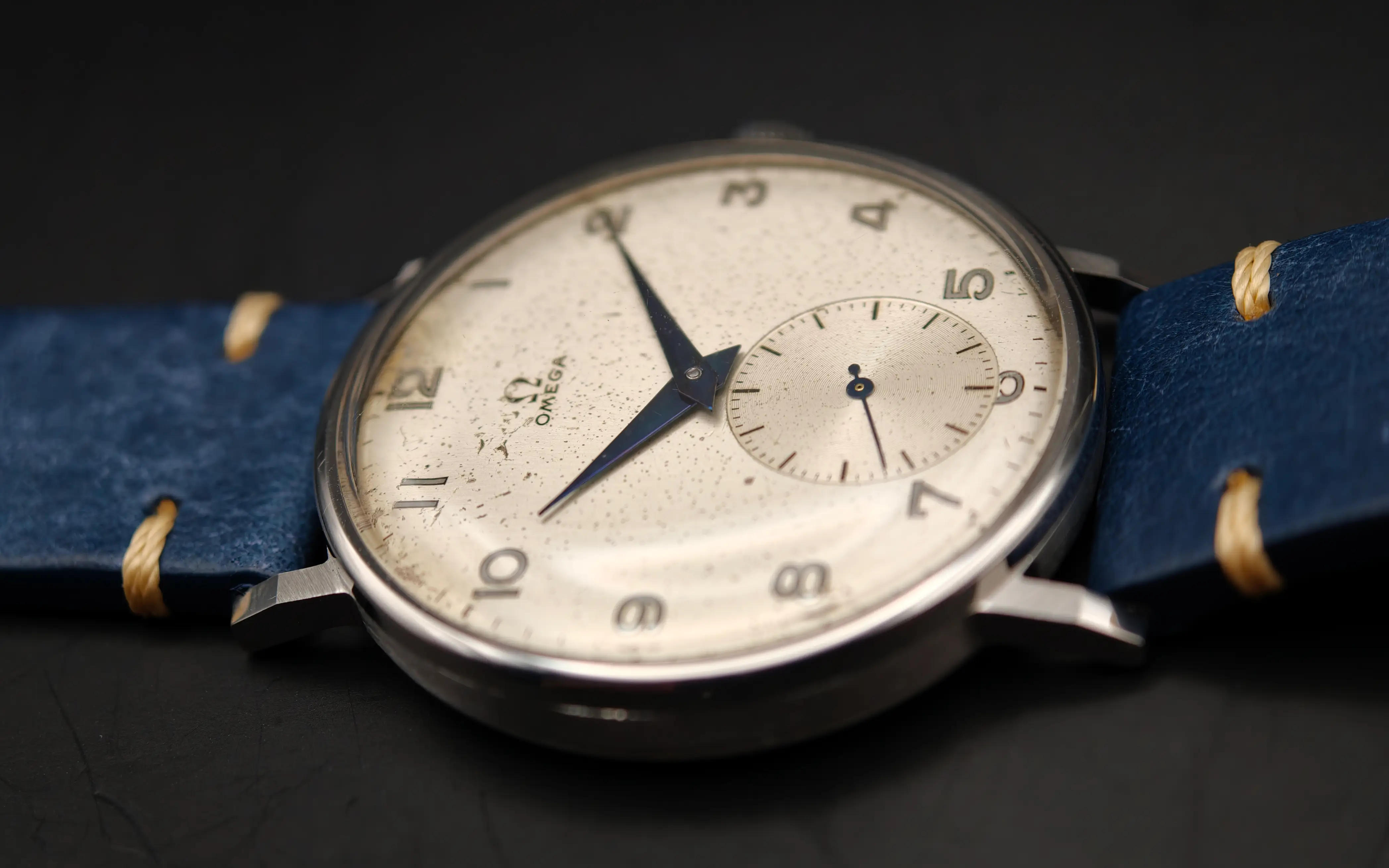
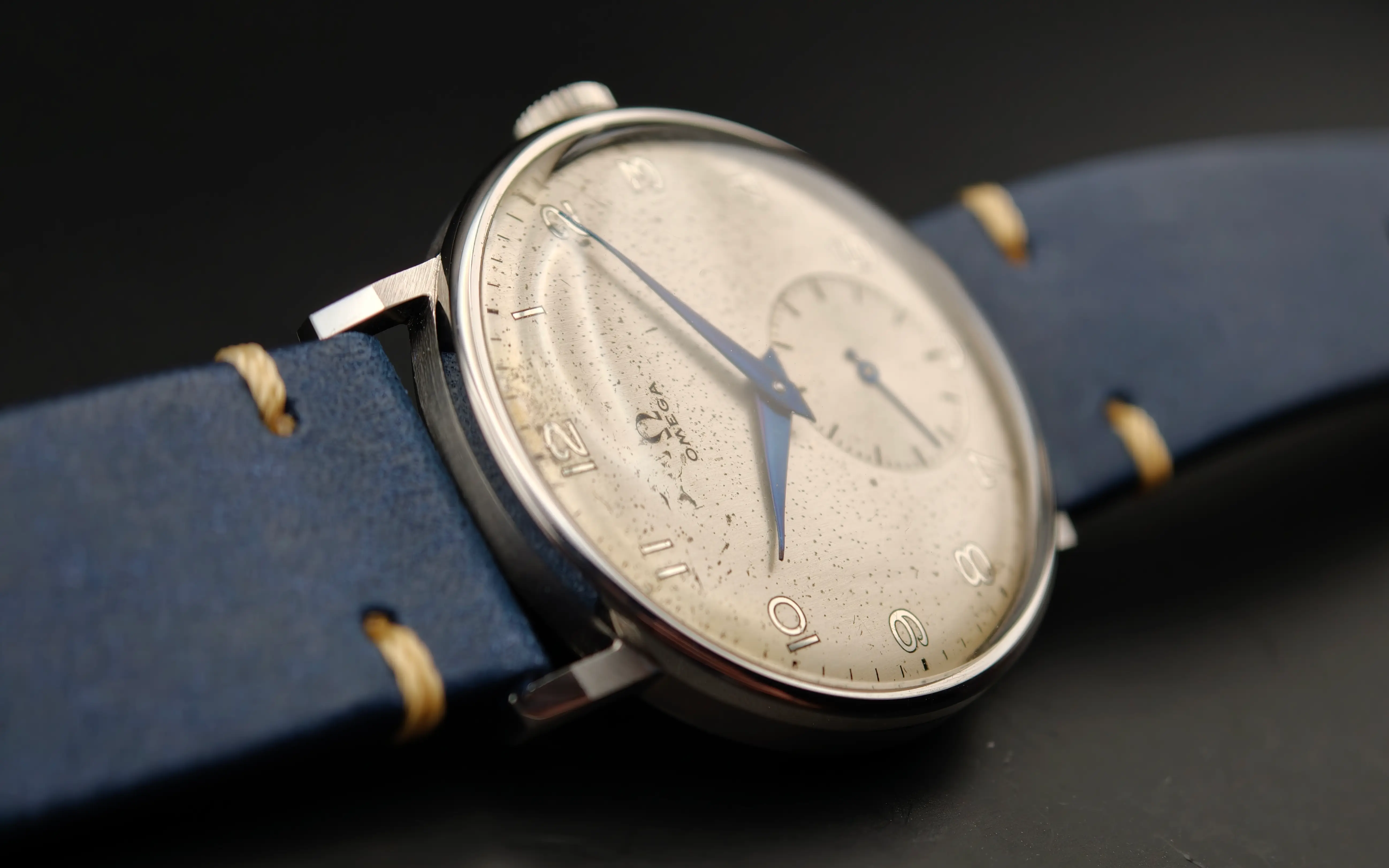
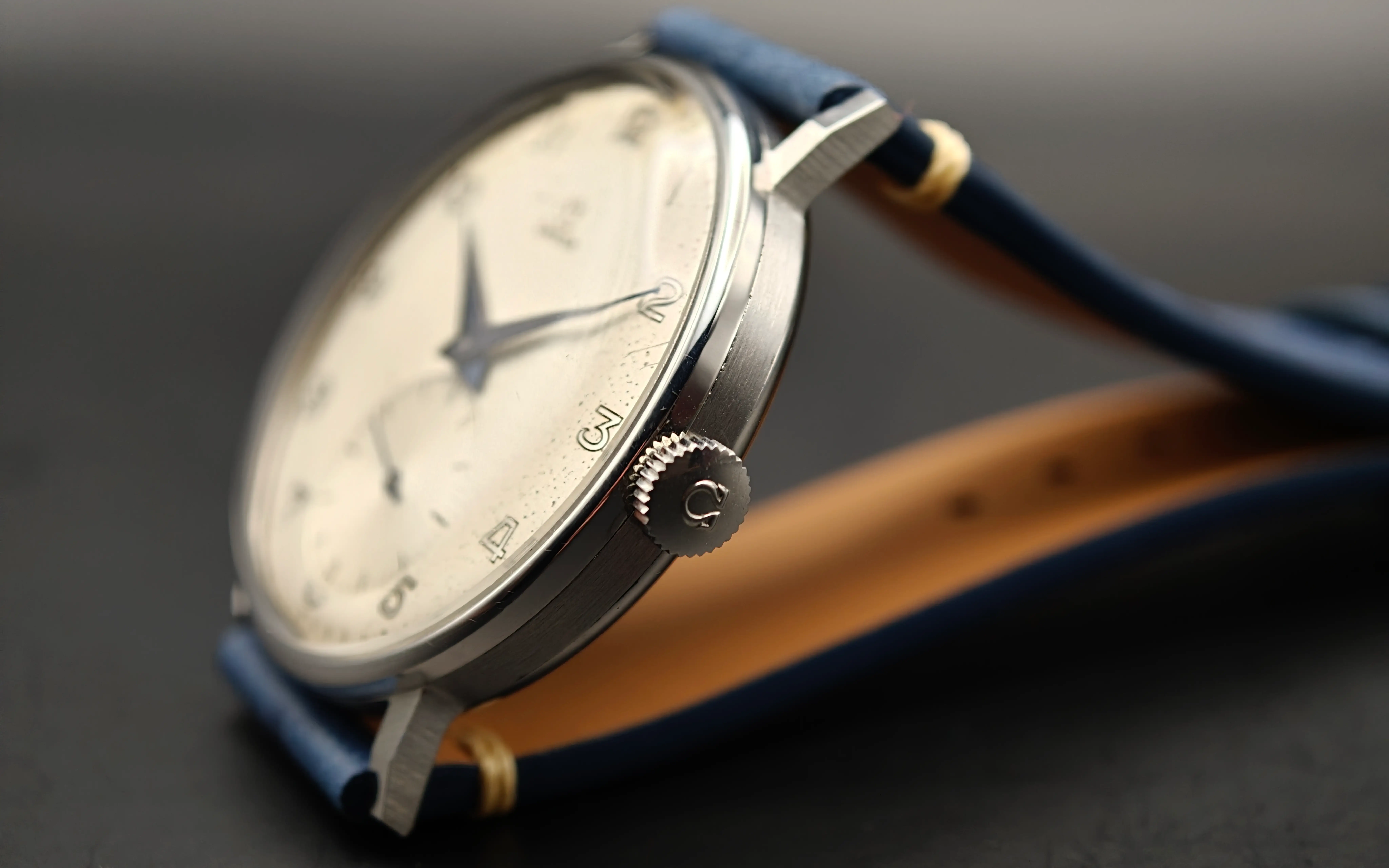
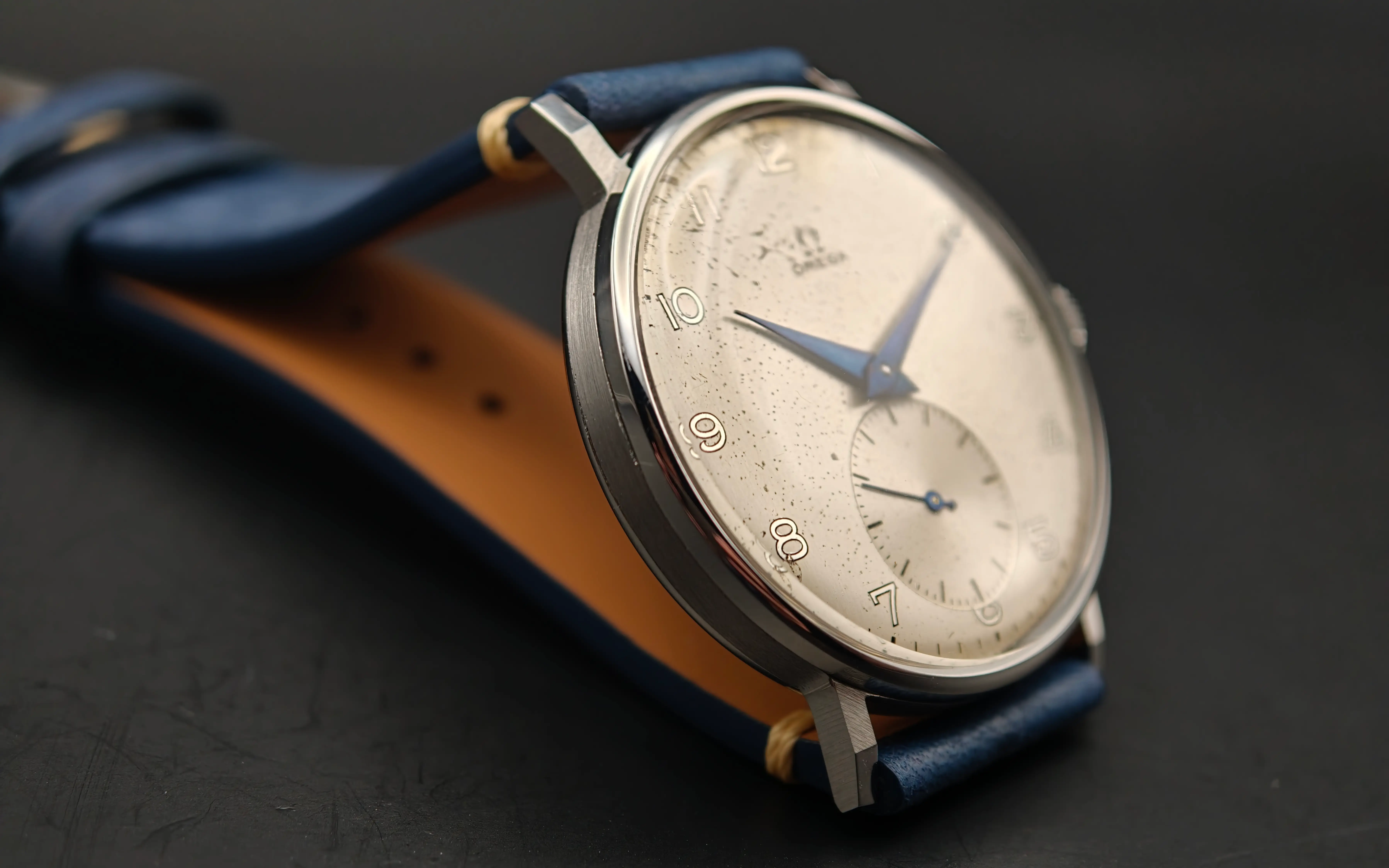
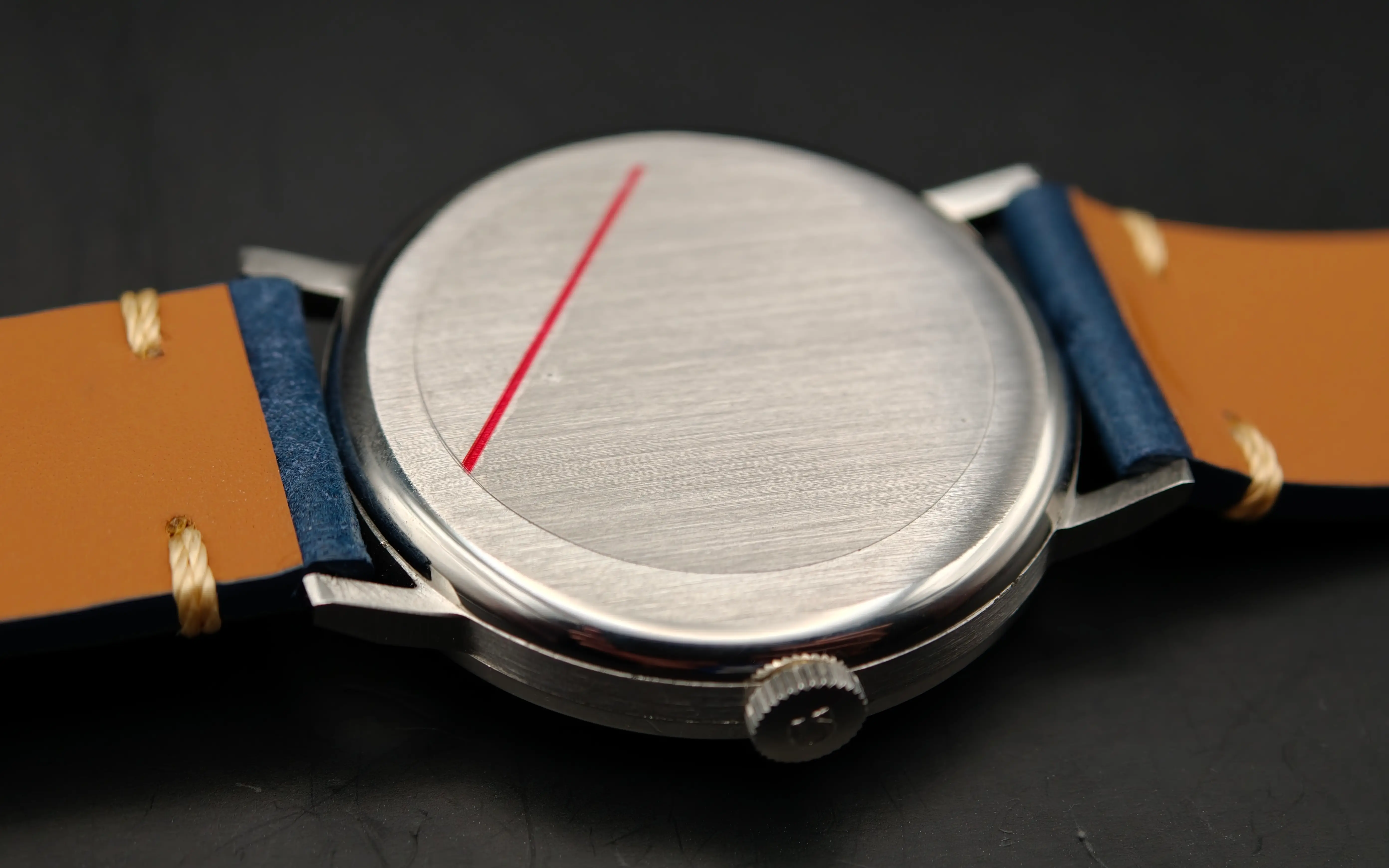
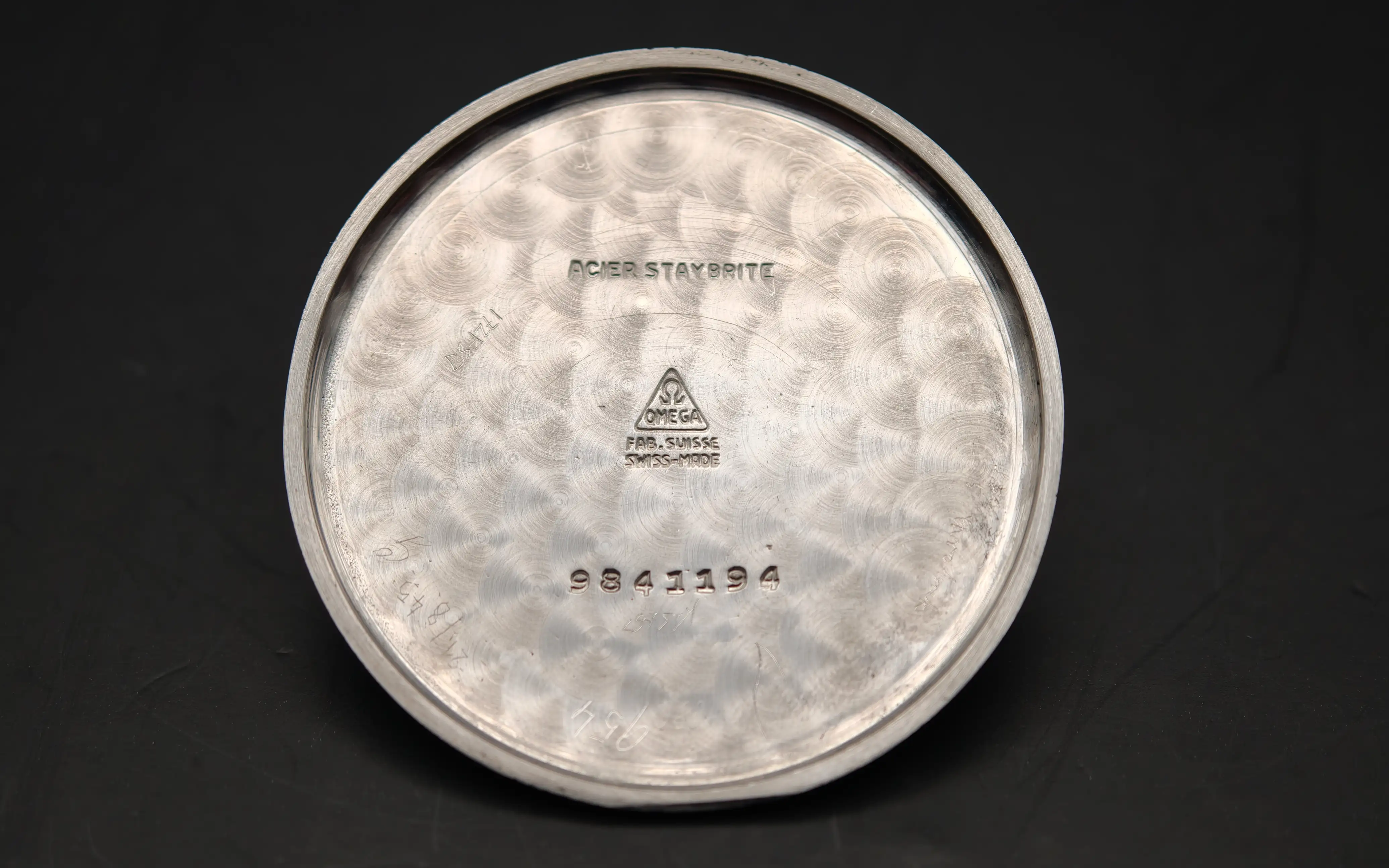
There is a quiet confidence to a watch like this. Manufactured in 1939 and housed in a stainless-steel case measuring an impressive 37 mm, it represents an era when wristwatches were typically far smaller. Its elegant proportions and oversized Arabic numerals give it a distinctive presence on the wrist.
The original dial has aged beautifully, developing a warm ivory patina that collectors spend years searching for but cannot replicate. Striking blued hands and a recessed small-seconds register add depth and character, creating a look that feels both refined and timeless.
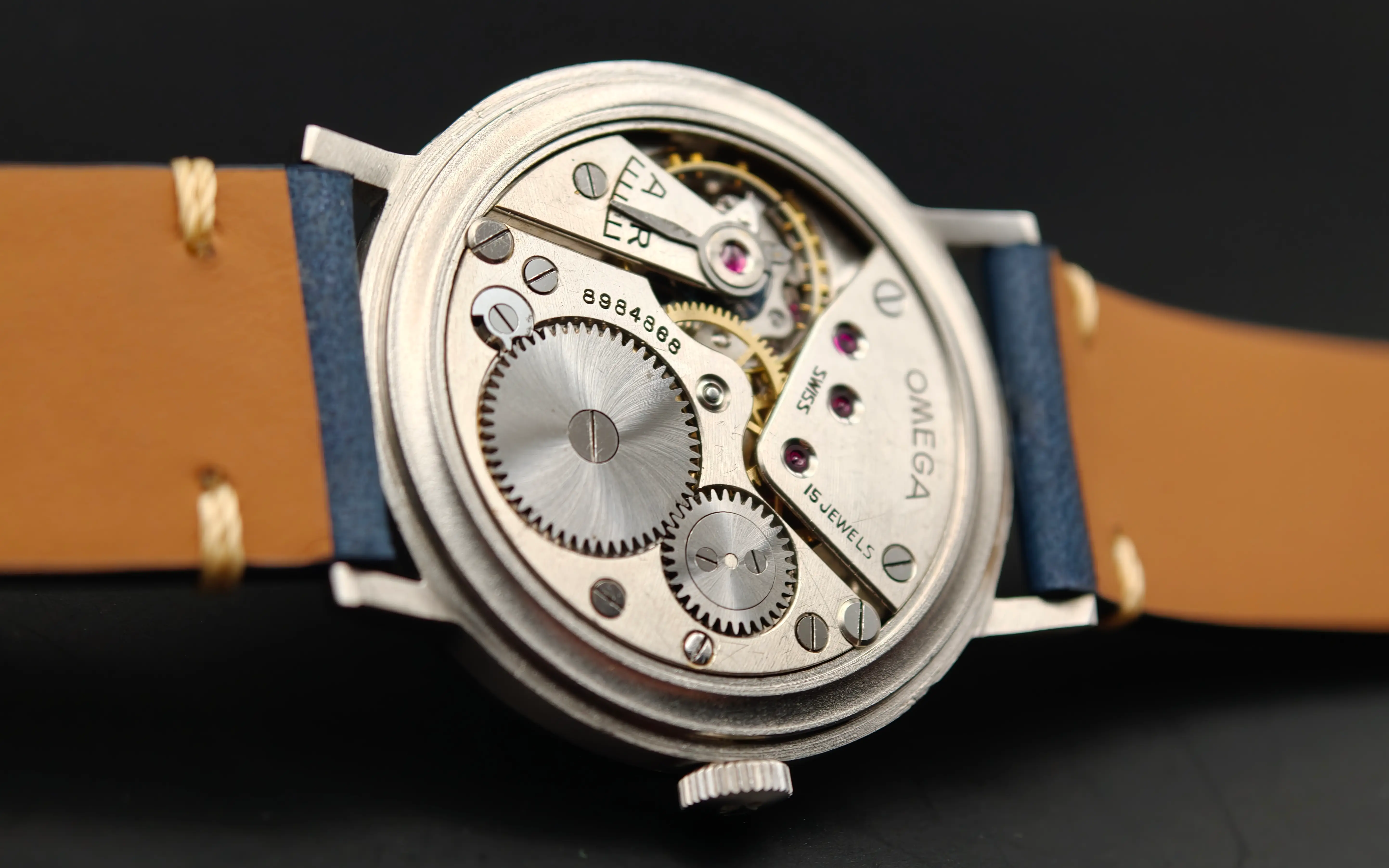
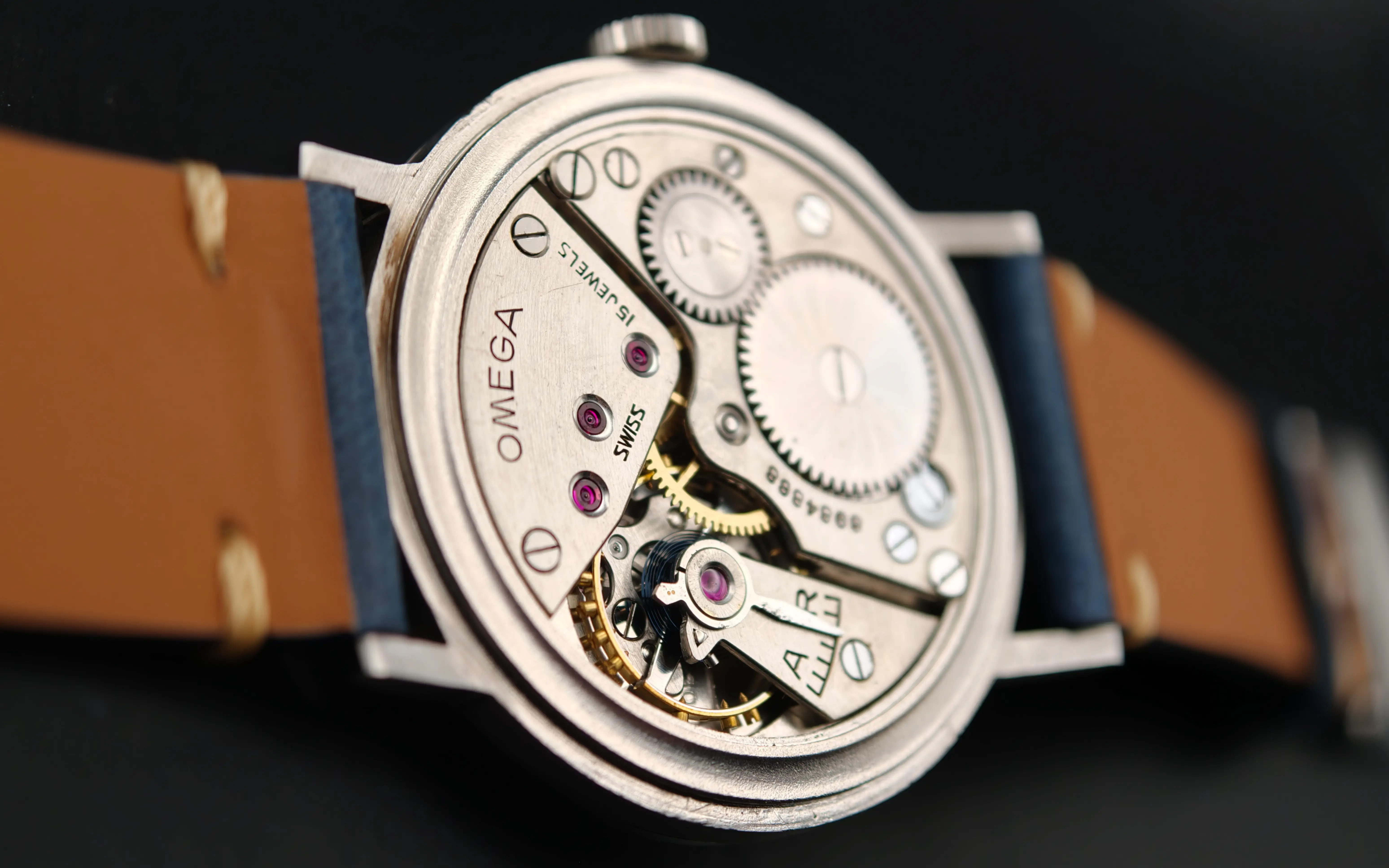
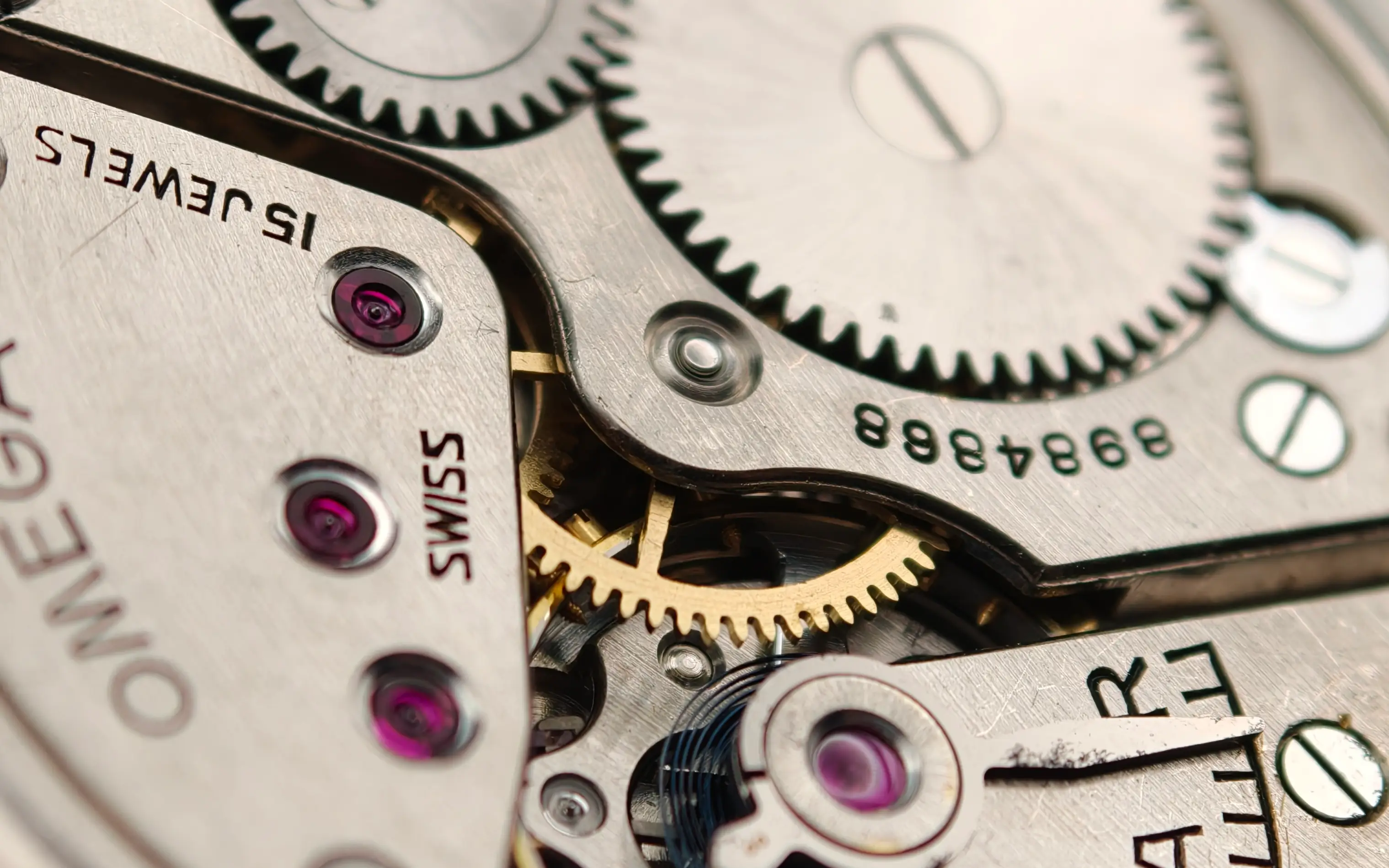
Inside beats Omega’s renowned hand-wound Caliber 30. The movement earned its name from its 30 mm diameter and became one of the most respected calibers of its time, celebrated for its reliability, precision, and robust construction.
A beautifully preserved pre-war Omega with exceptional presence, mechanical pedigree, and authentic vintage charm.
Baujahr: 1940
Material: Gold
Uhrwerk: Mechanisch
Caliber: 30t2
Durchmesser: 37mm
Omega stainless steel, 1940s
Friedemann glanced at the blued hands of his watch. Half past eight had come and gone, and today it was his turn to take Jean Pierre to school.
Before they stepped through the wide oak door, he turned back for the book he’d left on the mahogany table in the vestibule — a book he’d received from his brother Matteo almost exactly a year ago, to the day. This time last year, his eldest brother — the esteemed development engineer at Omega — had led him through the watch manufacture in Biel, proudly showing off the new masterpieces, all the while speaking with just as much enthusiasm about literature, music, politics.
Friedemann shared his brother’s enthusiasm, at least where music and literature were concerned. Current politics, though, was foreign territory to him — or perhaps he simply built an unconscious wall around himself whenever the subject came up. He didn’t like being knocked out of his comfort zone.
He glanced at his watch again. If only it didn’t show the exact time quite so mercilessly, at least now and then.
To Jean Pierre it seemed that Papa was even more distracted than usual today. That happened sometimes, when he was still under the spell of the previous evening’s concert.
“Papa, are we going now?” His voice echoed through the front hall like a dozen little bells.
The June sunlight, springing off the basalt cobblestones of the street like sparks, brought to Friedemann’s mind the title of the book his brother had given him:
“The Volcano”
With the novel by Thomas Mann’s eldest son, Klaus Mann — which depicted the difficult lives of those who had fled Nazi Germany, now living in emigration — in hand, and with angelic Jean Pierre at his side, they set off toward the school.
On the way, he listened with a satisfied smile to his little son’s excited account of yesterday’s trumpet lesson, which he’d attended with Mama, since Friedemann had had the general rehearsal with the Basel Chamber Orchestra that day.
Walking back, the music of yesterday’s premiere came alive in him again — the exposition of the first movement of Bartók’s Divertimento. On the street, the people flowed past like so many dancers caught up in that triple-pulsed Bartókian waltz, in which the dance-like character of the rhythm mingled with that proud tautness so particular to Hungarian music.
He entered the café almost dancing.
As he leaned back in the art deco chair upholstered in blue fabric with fine gold embroidery, setting the book down on the table before him, the feeling from last night’s concert suddenly stabbed through him again.
The contrast between the peaceful bustle of the street outside the café and the horror raging beyond Switzerland’s borders — the ominous opening bars of the Divertimento’s middle movement, and the lament that followed, one grieving chord after another. A musical prophecy.
For when Bartók composed this work here in Switzerland in August 1939, in just two weeks — not long after he’d visited Matteo in Biel, where Friedemann had commissioned this breathtakingly beautiful watch that even now, on his wrist, so mercilessly reminded him of time’s passing, and Matteo had given him this book that now lay before him on the table, which he still hadn’t managed to bring himself to read — back then, Europe was still at peace.
He found himself wondering whether Bartók, too, was following the fates of the book’s characters. Whether he, too, would leave behind his homeland, Hungary, and choose emigration, so as not to have to watch as those unworthy of it decided the fates of their fellow men.
Unspoken, he hoped that once this madness passed, these works — Bartók’s Divertimento, Klaus Mann’s novel, and perhaps even this watch — born in this age, out of this age, would serve as a reminder and a warning to the generations to come.
He opened the book and began to read:
PROLOGUE
A young man sat in a Berlin boarding-house room, writing a letter.
Berlin, April 20, 1933.
“Dear Karl,
I hope you arrived safely in Paris and are doing well.”
to be continued…
More than a watch. A window into history.
Year of manufacture: 1939
Material: Stainless-steel
Movement: Hand-wound
Caliber: 30 (in-house)
Diameter: 37mm
(measured without crown)
Estimated price 2500€
There is a quiet confidence to a watch like this. Manufactured in 1939 and housed in a stainless-steel case measuring an impressive 37 mm, it represents an era when wristwatches were typically far smaller. Its elegant proportions and oversized Arabic numerals give it a distinctive presence on the wrist.
The original dial has aged beautifully, developing a warm ivory patina that collectors spend years searching for but cannot replicate. Striking blued hands and a recessed small-seconds register add depth and character, creating a look that feels both refined and timeless.
Inside beats Omega’s renowned hand-wound Caliber 30. The movement earned its name from its 30 mm diameter and became one of the most respected calibers of its time, celebrated for its reliability, precision, and robust construction.
A beautifully preserved pre-war Omega with exceptional presence, mechanical pedigree, and authentic vintage charm.