True The Time

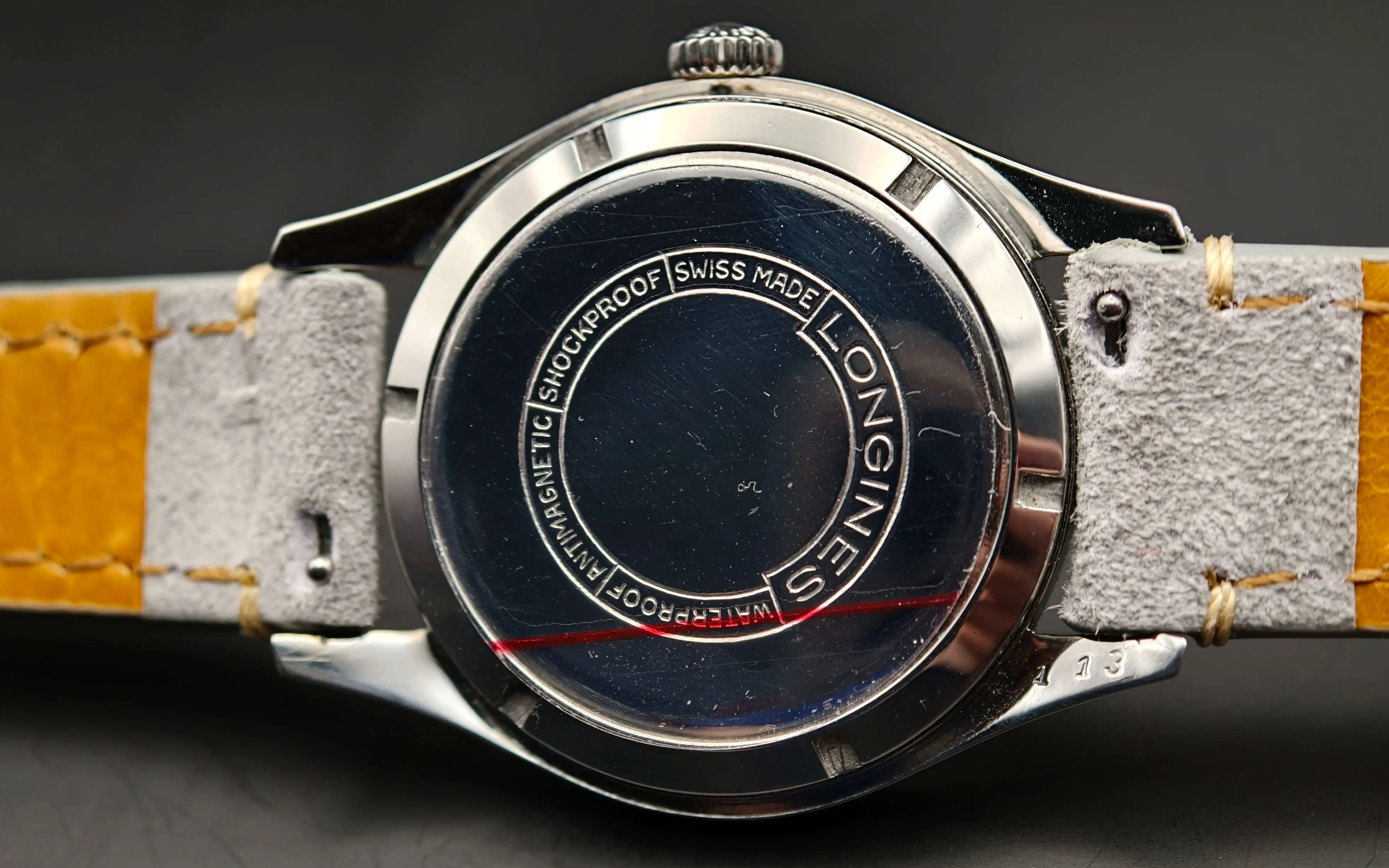
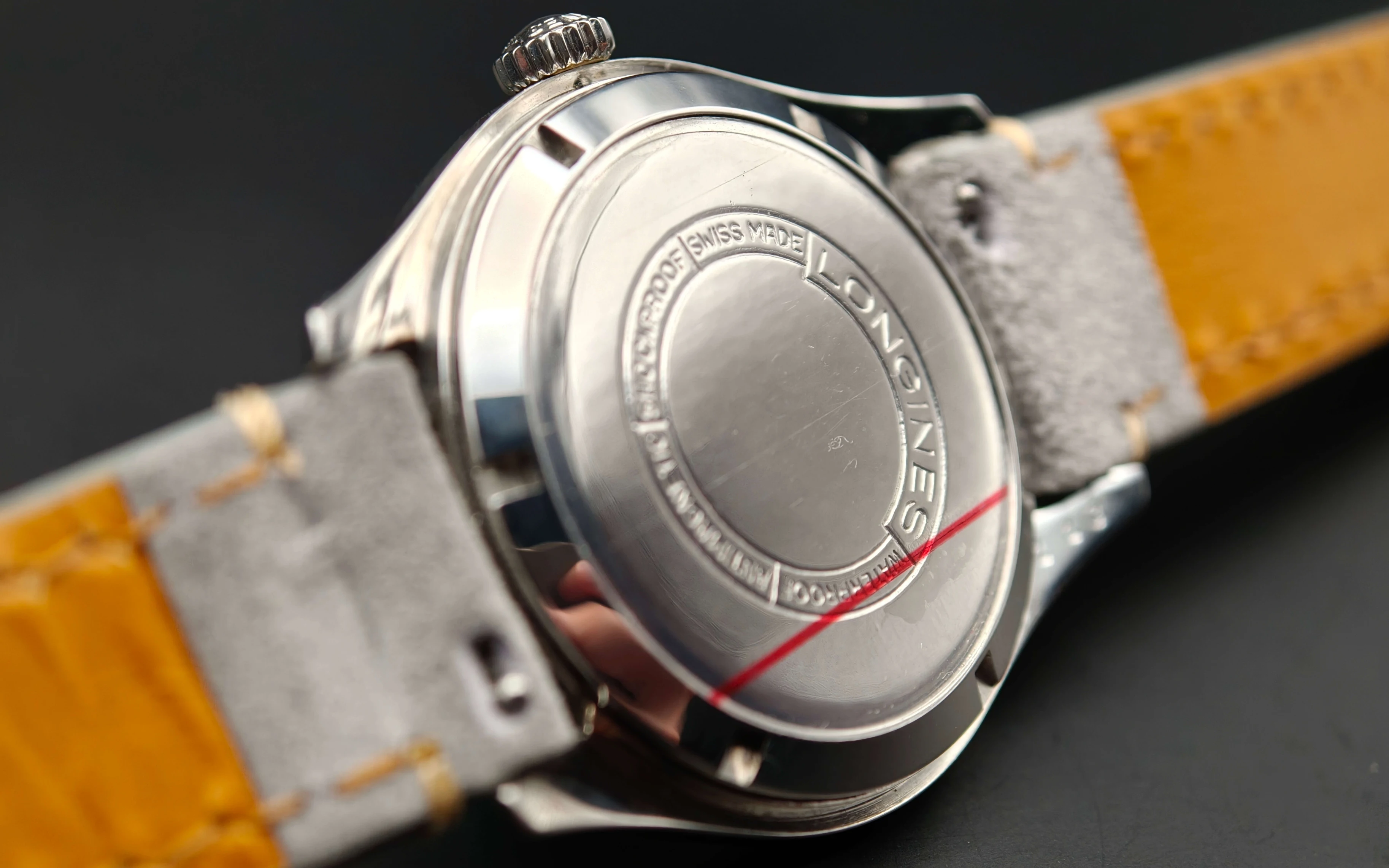
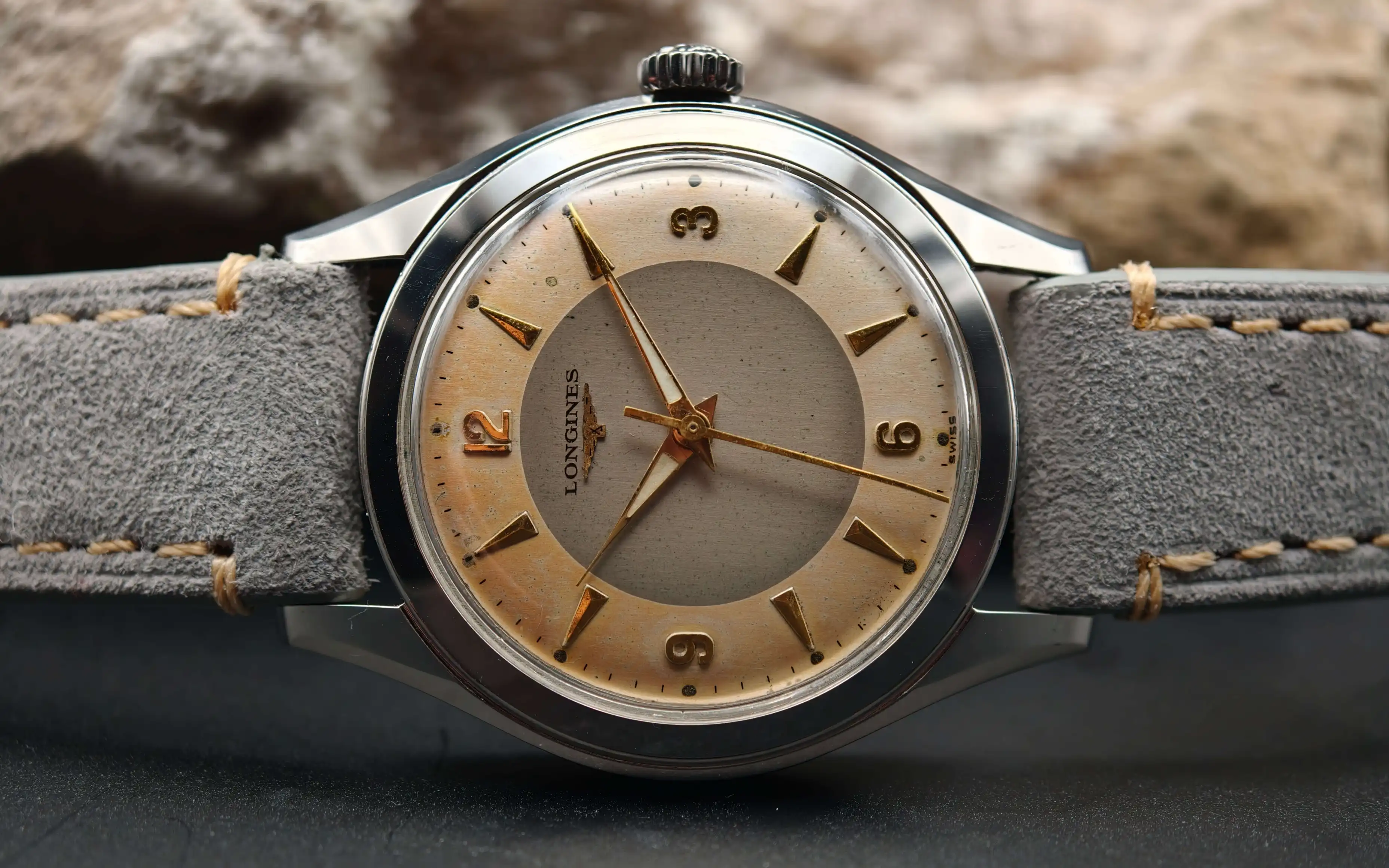
Longines stainless steel, 1950s

Year of manufacture: 1954
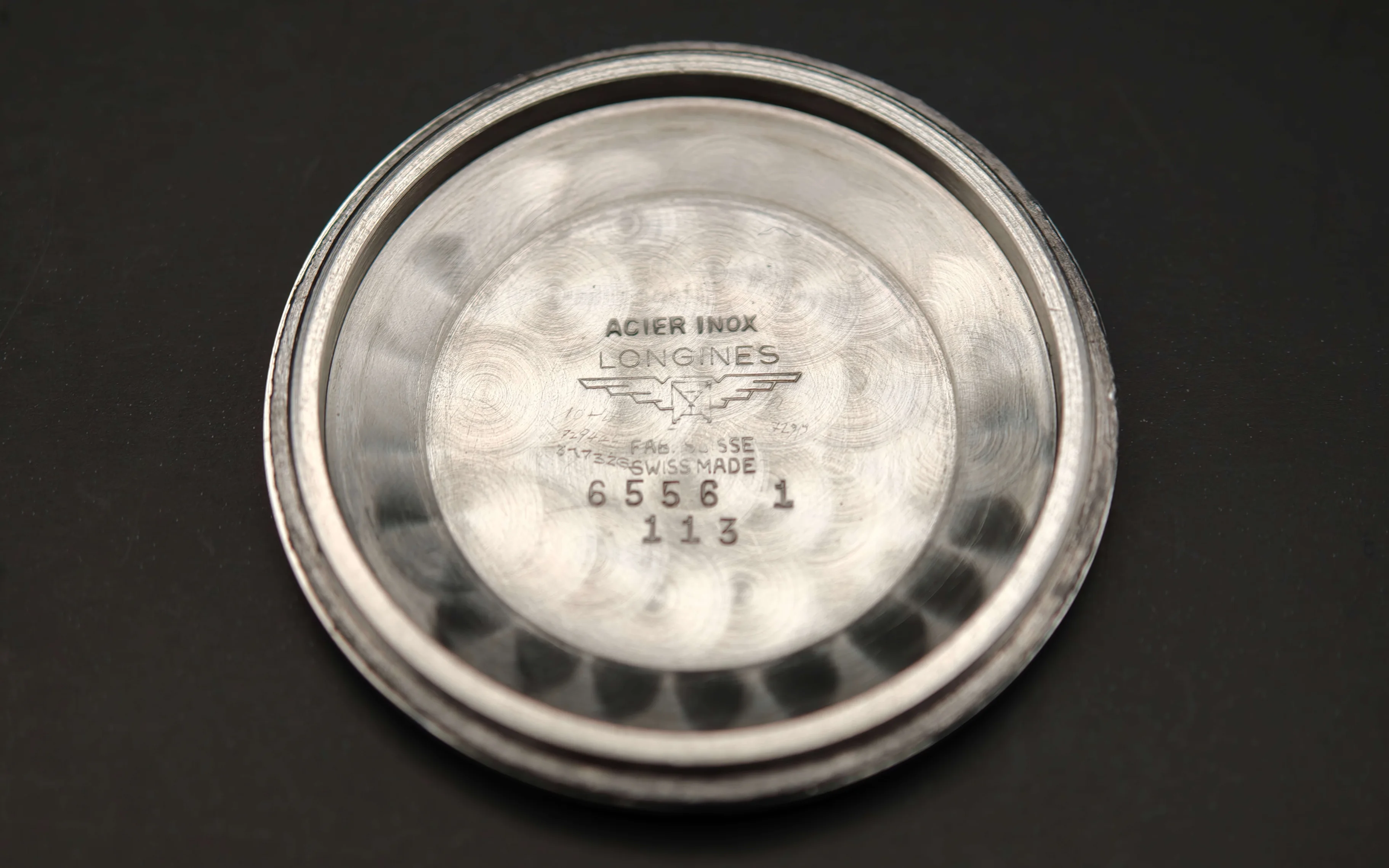
Material: Stainless-steel
Movement: Hand-wound
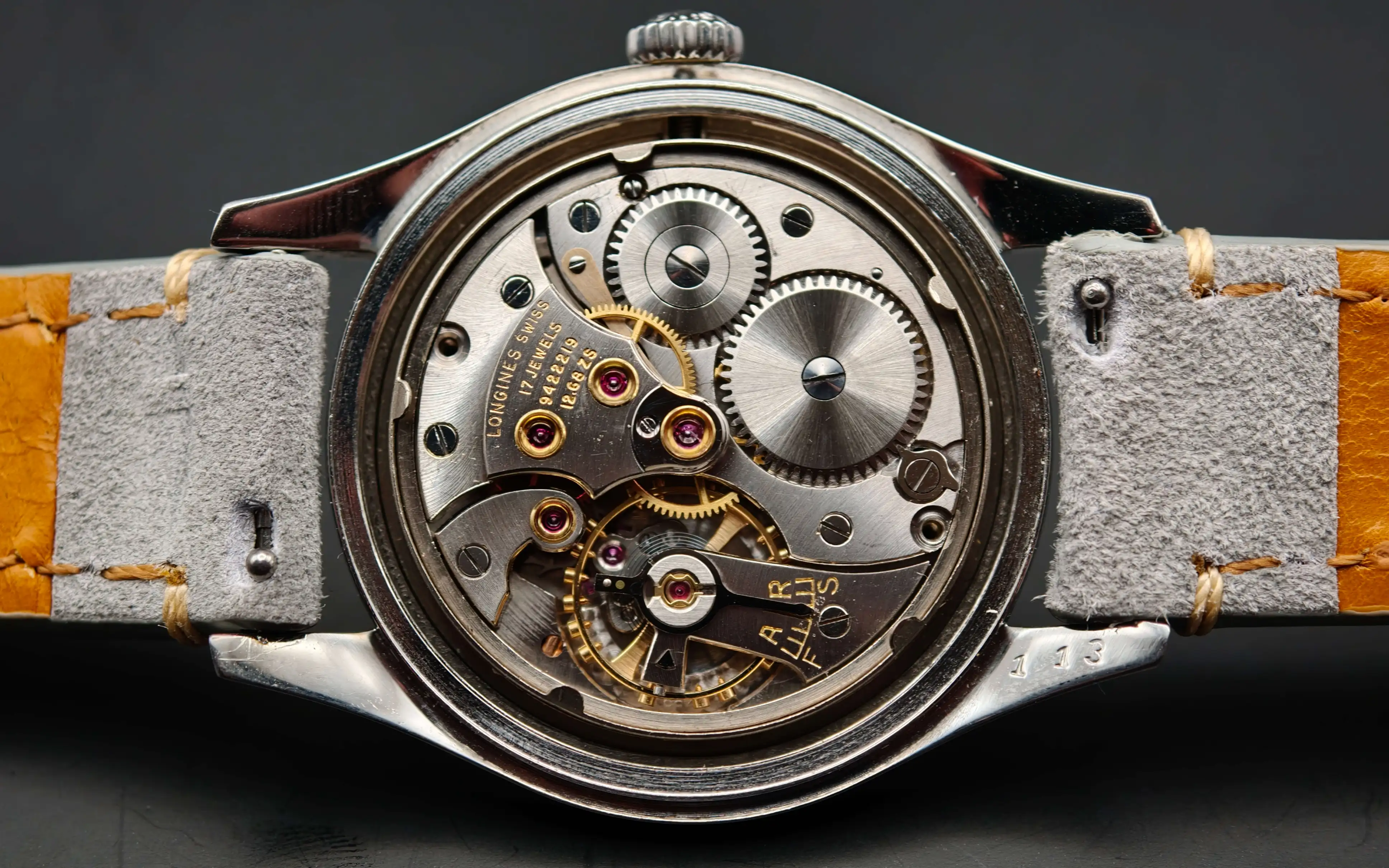
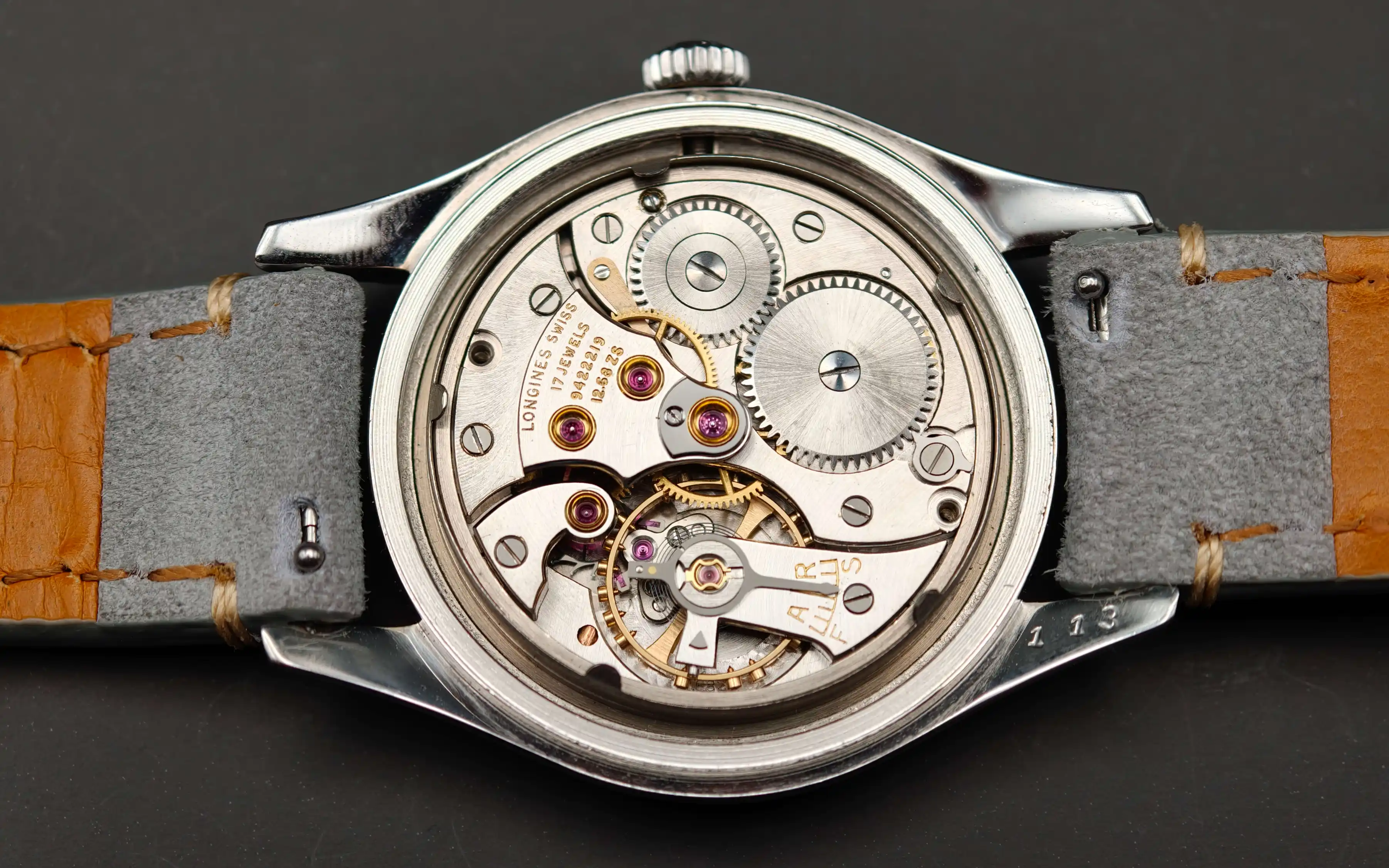
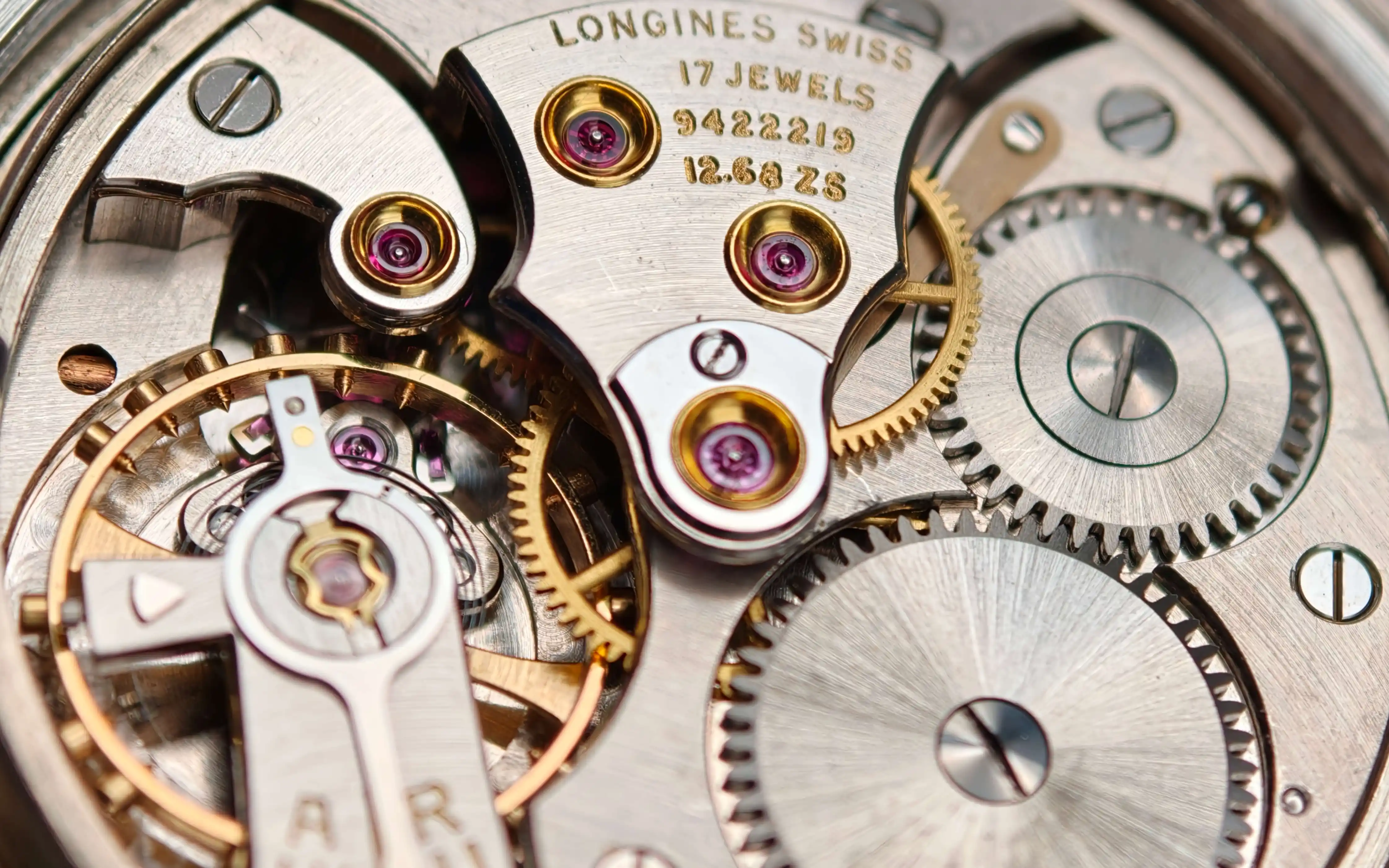
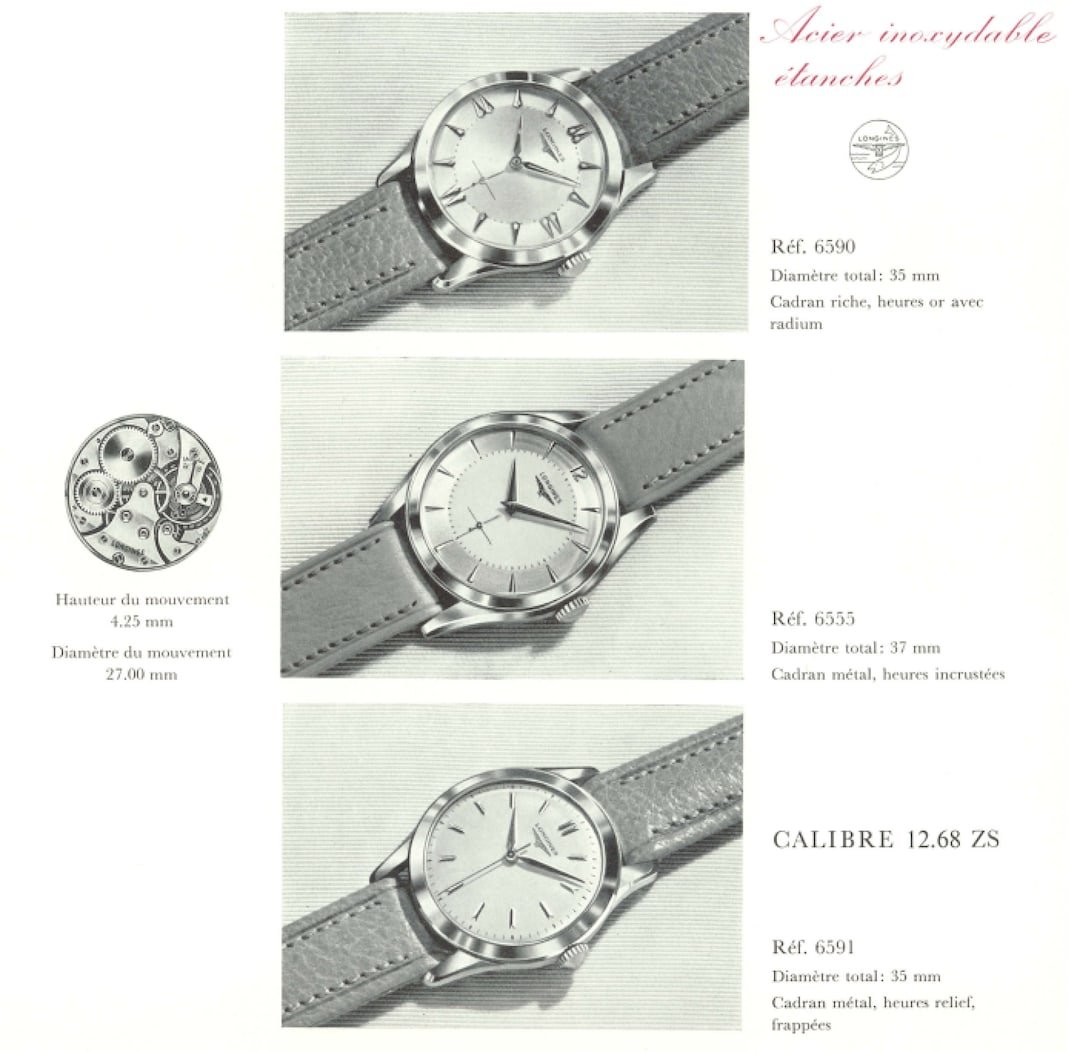
Caliber: 12.68 ZS (in-house)
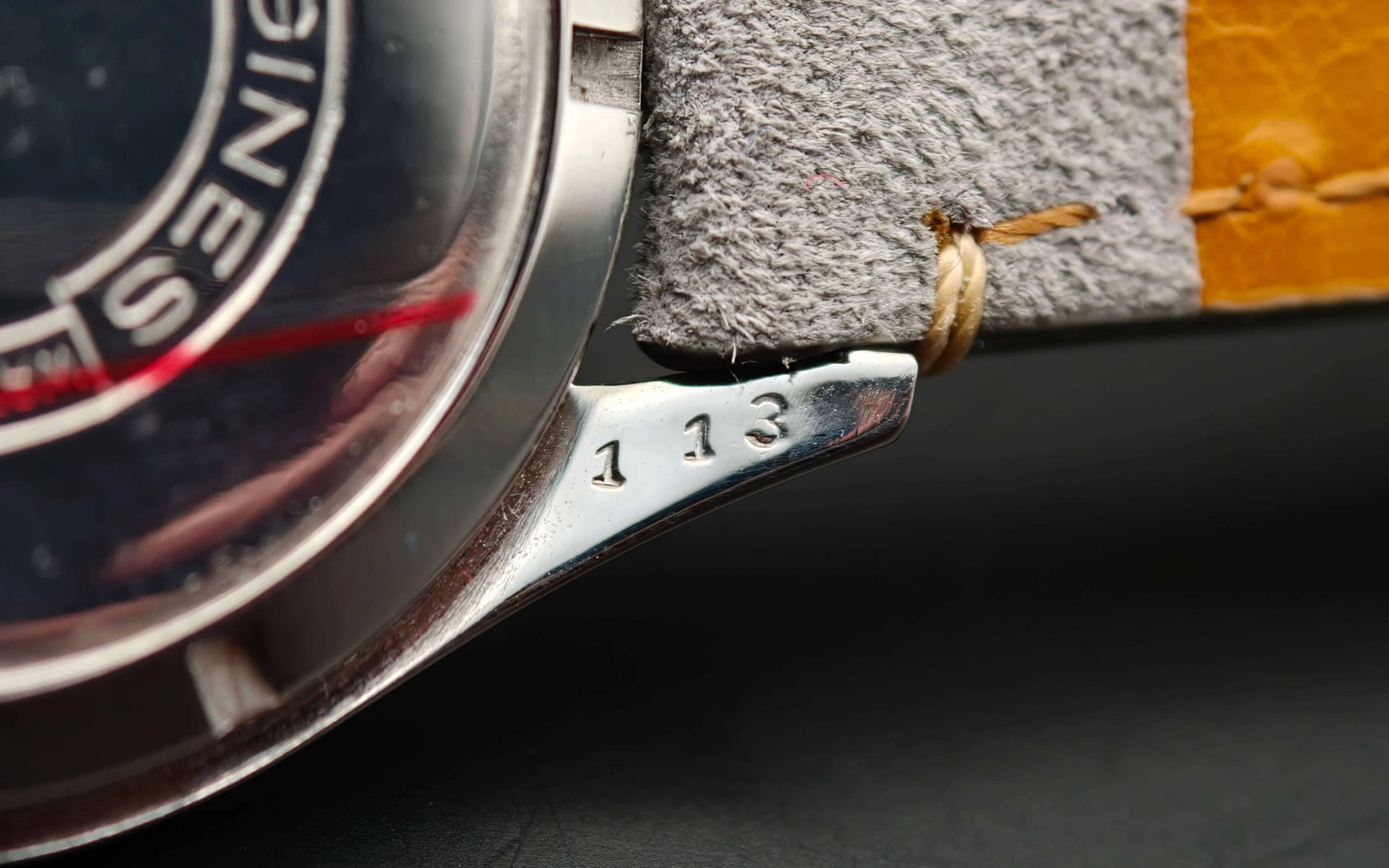
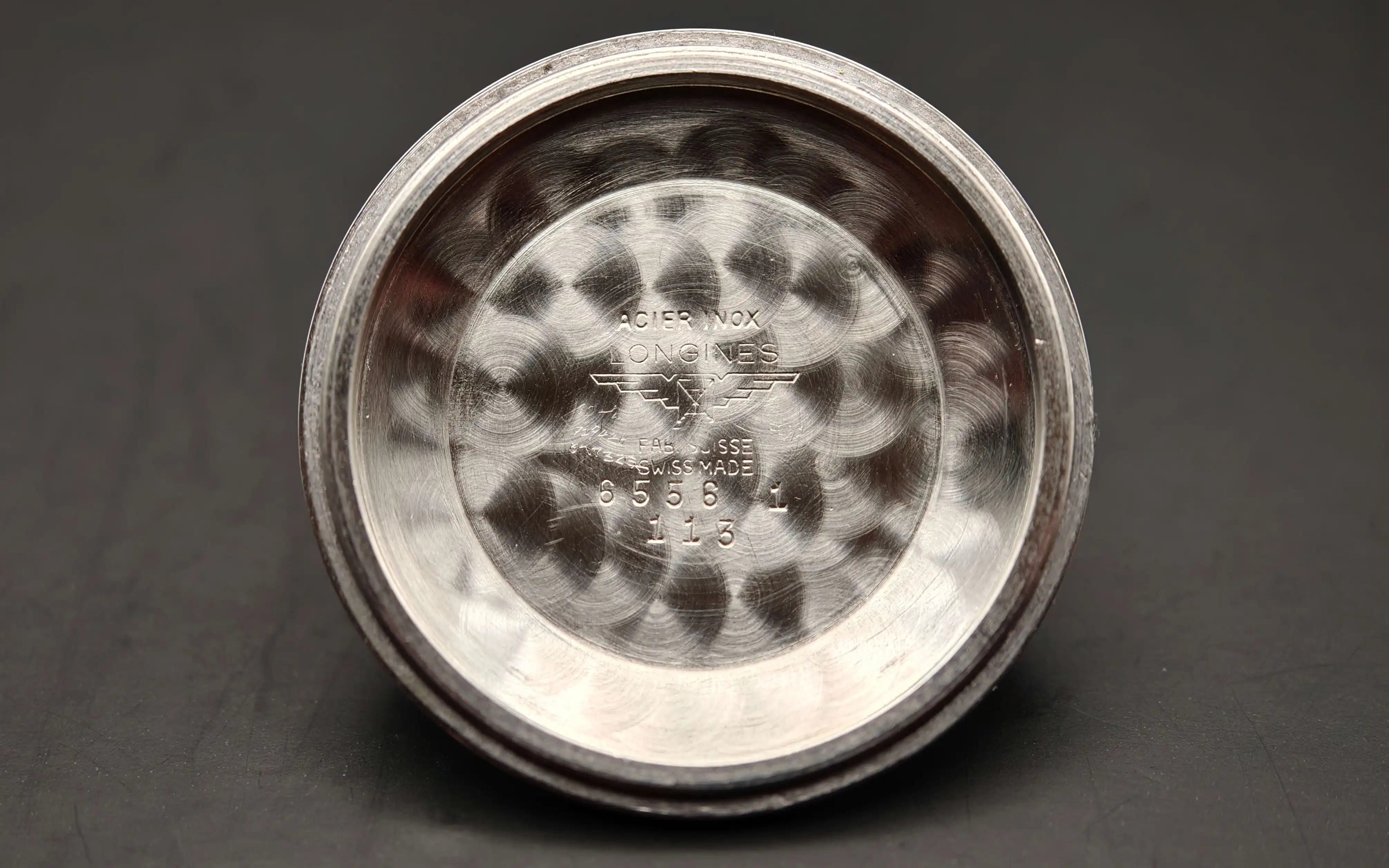
Ref.: 6556

Diameter: 37mm (measured without crown)

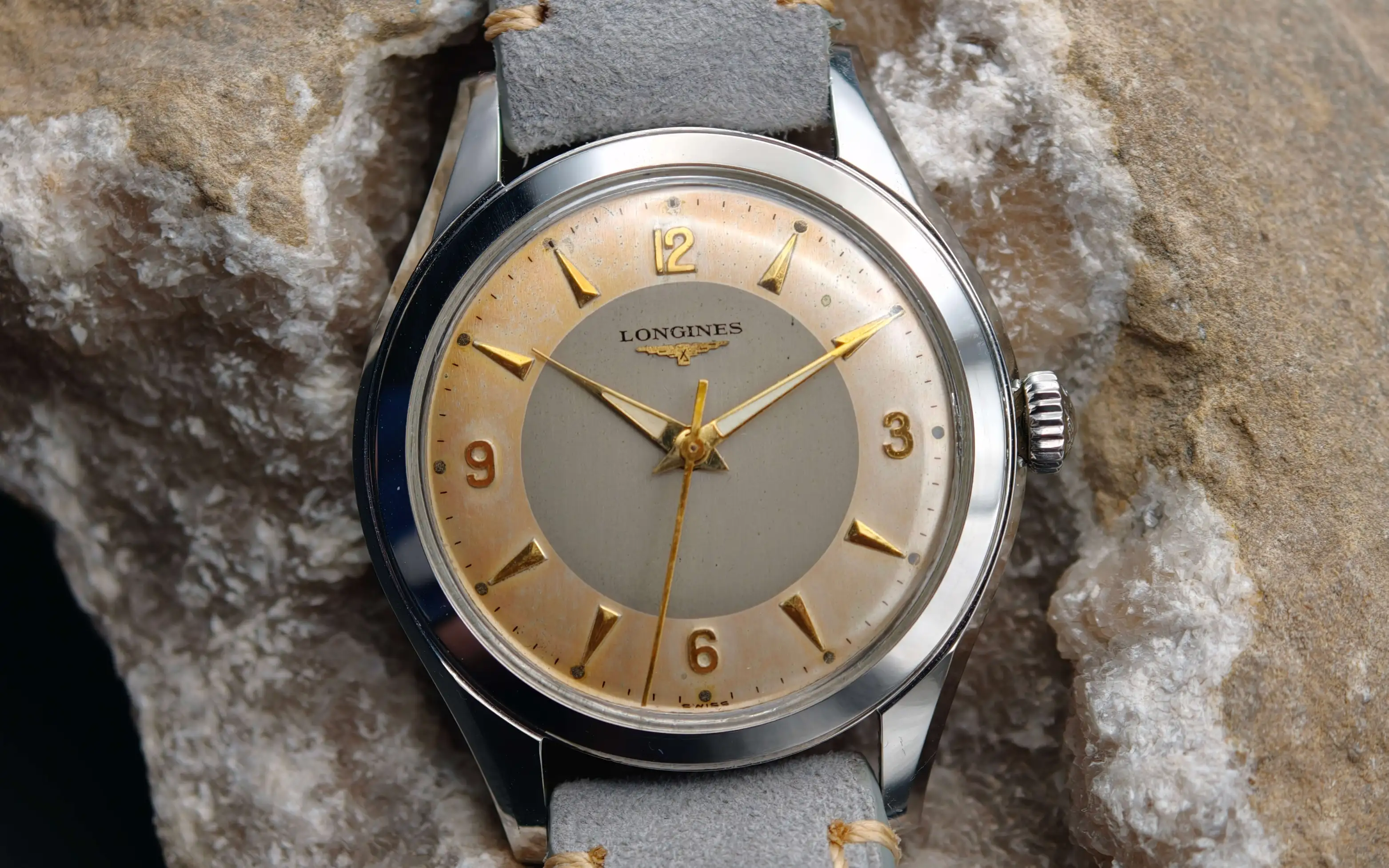
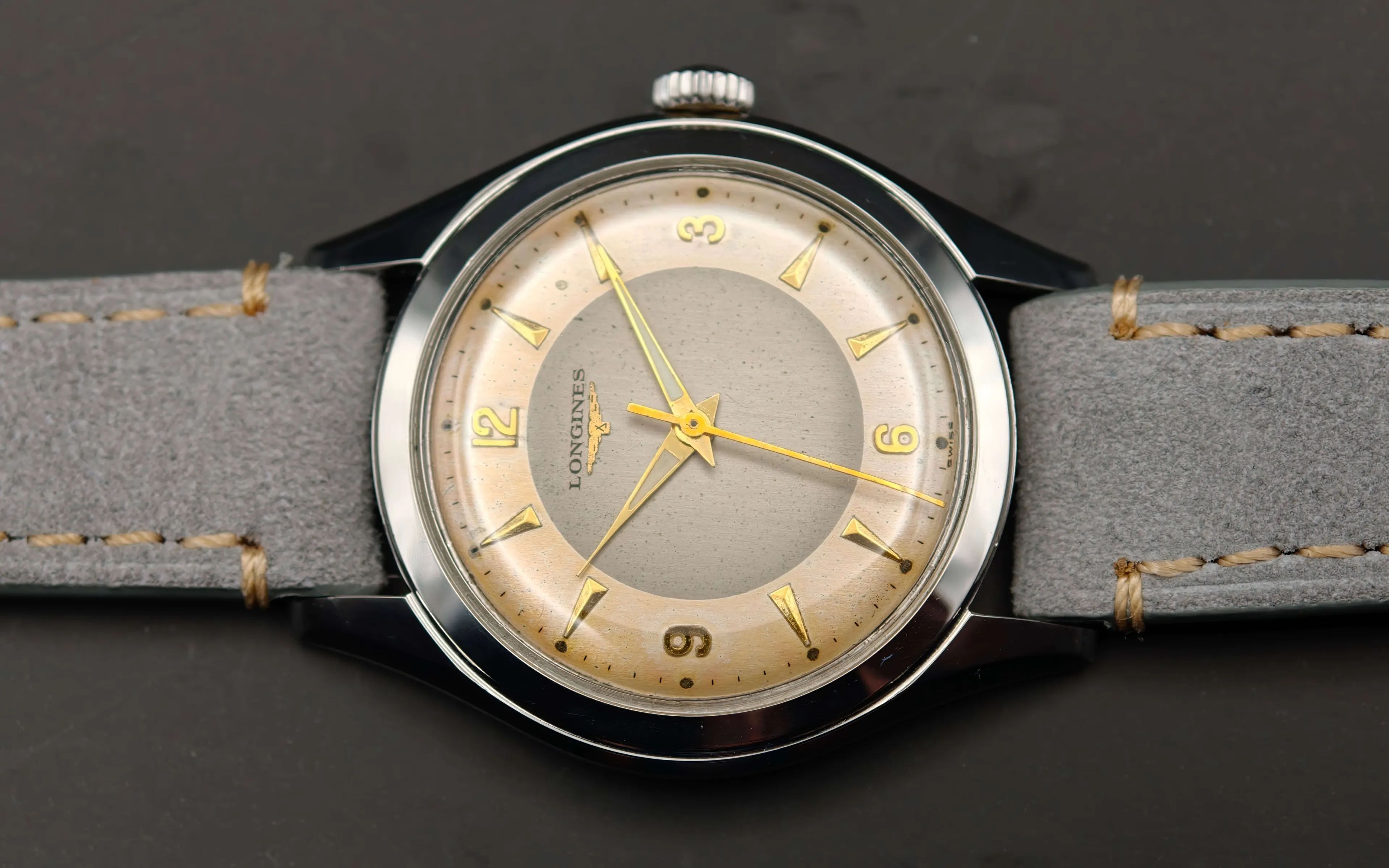
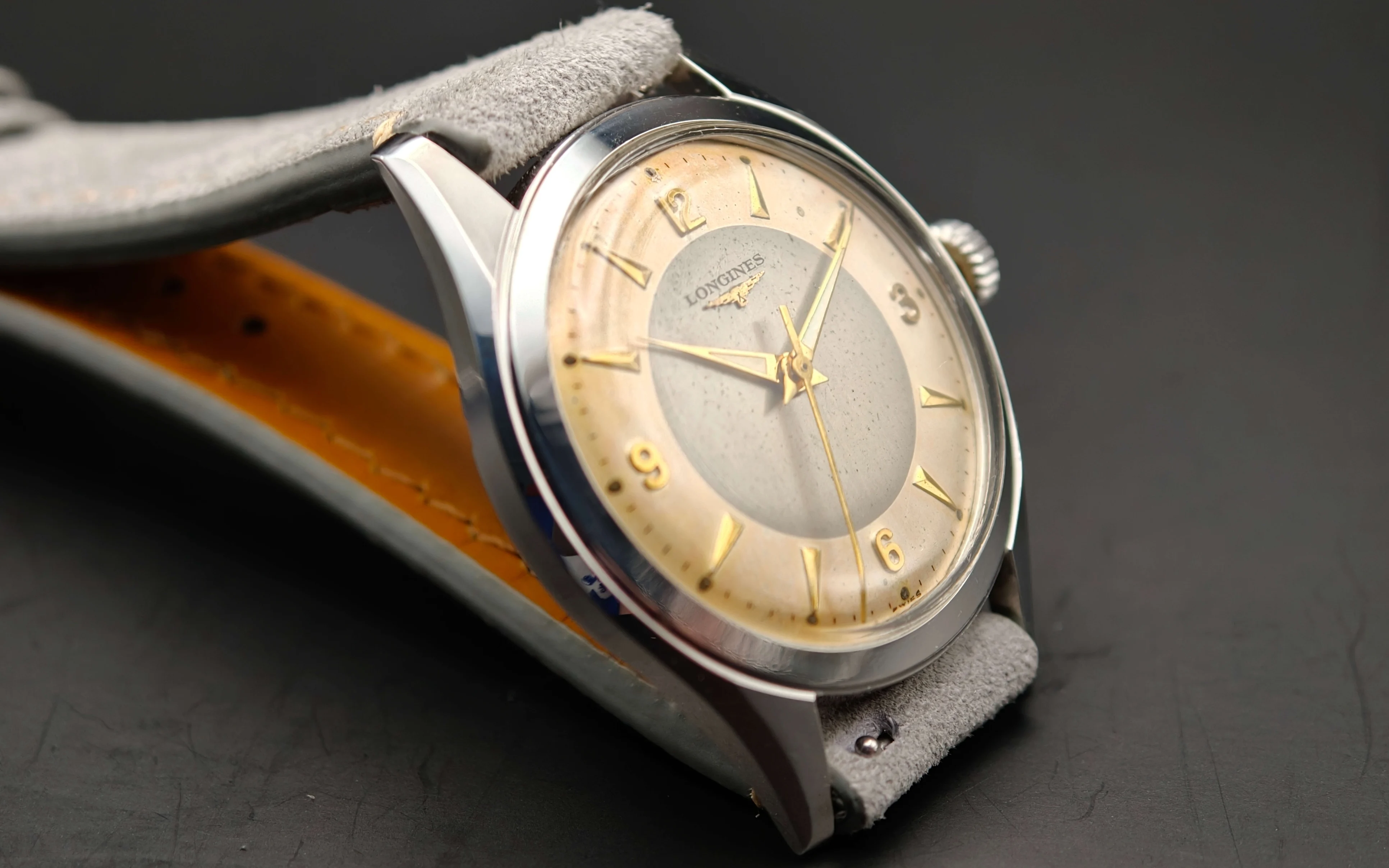
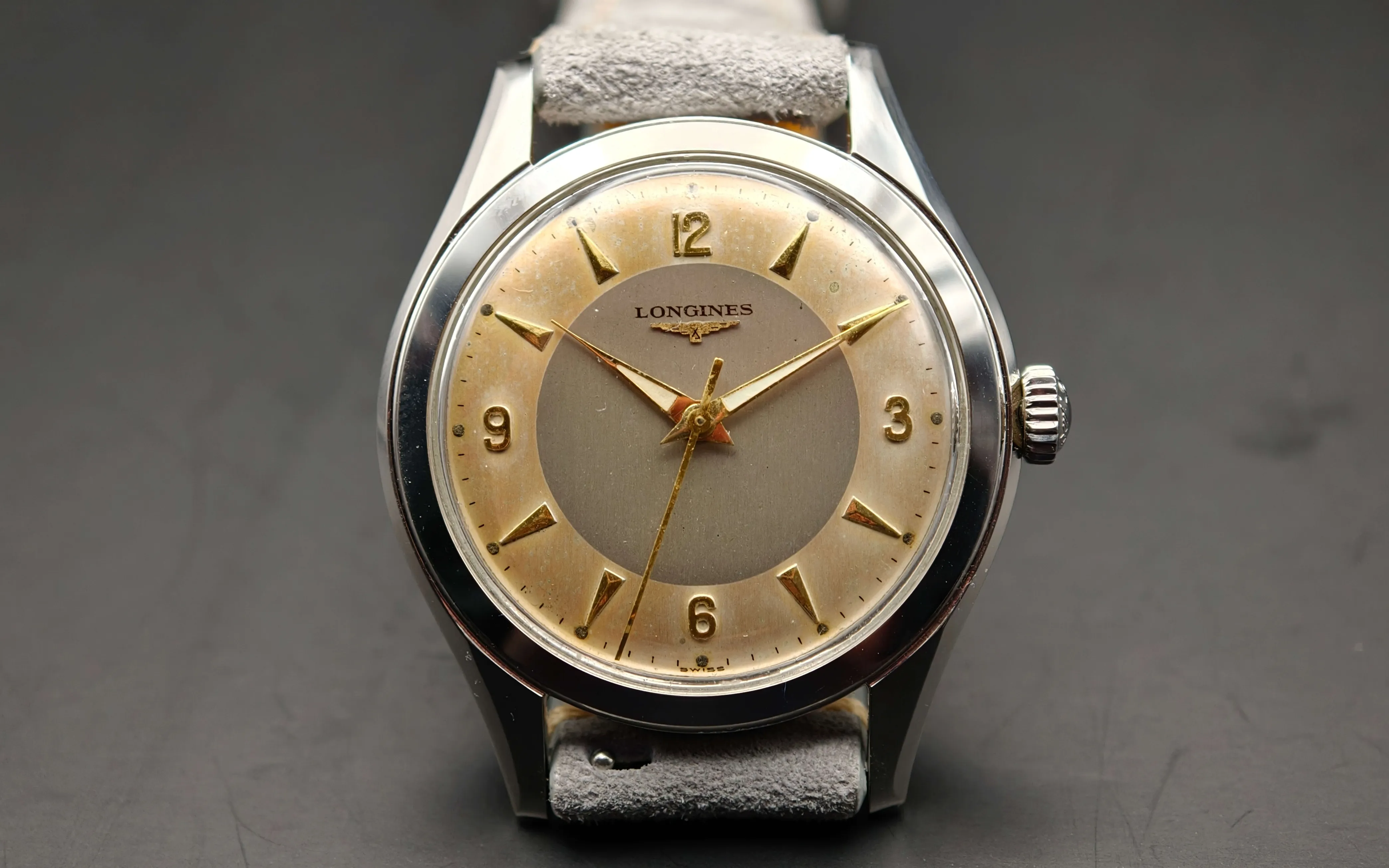
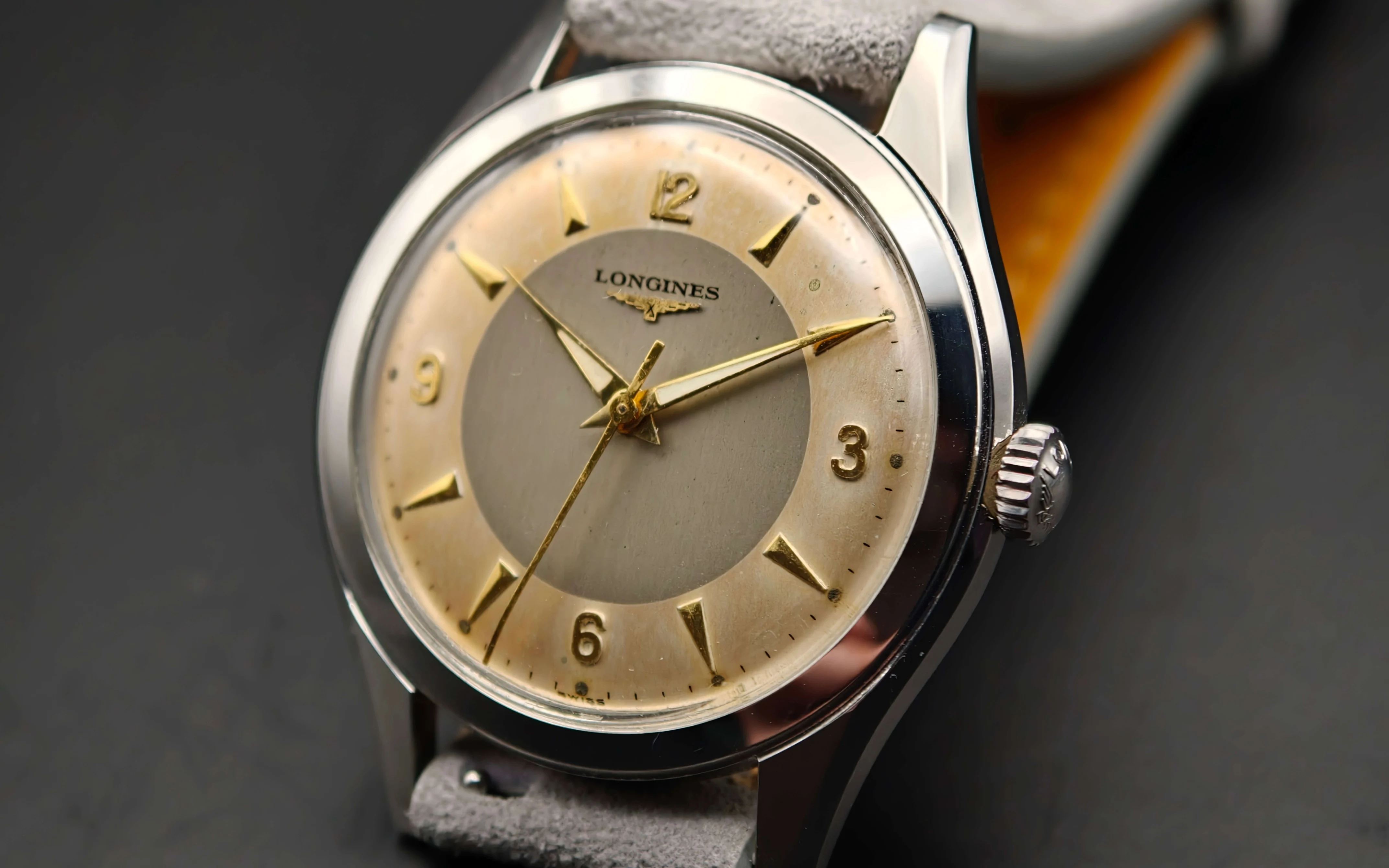
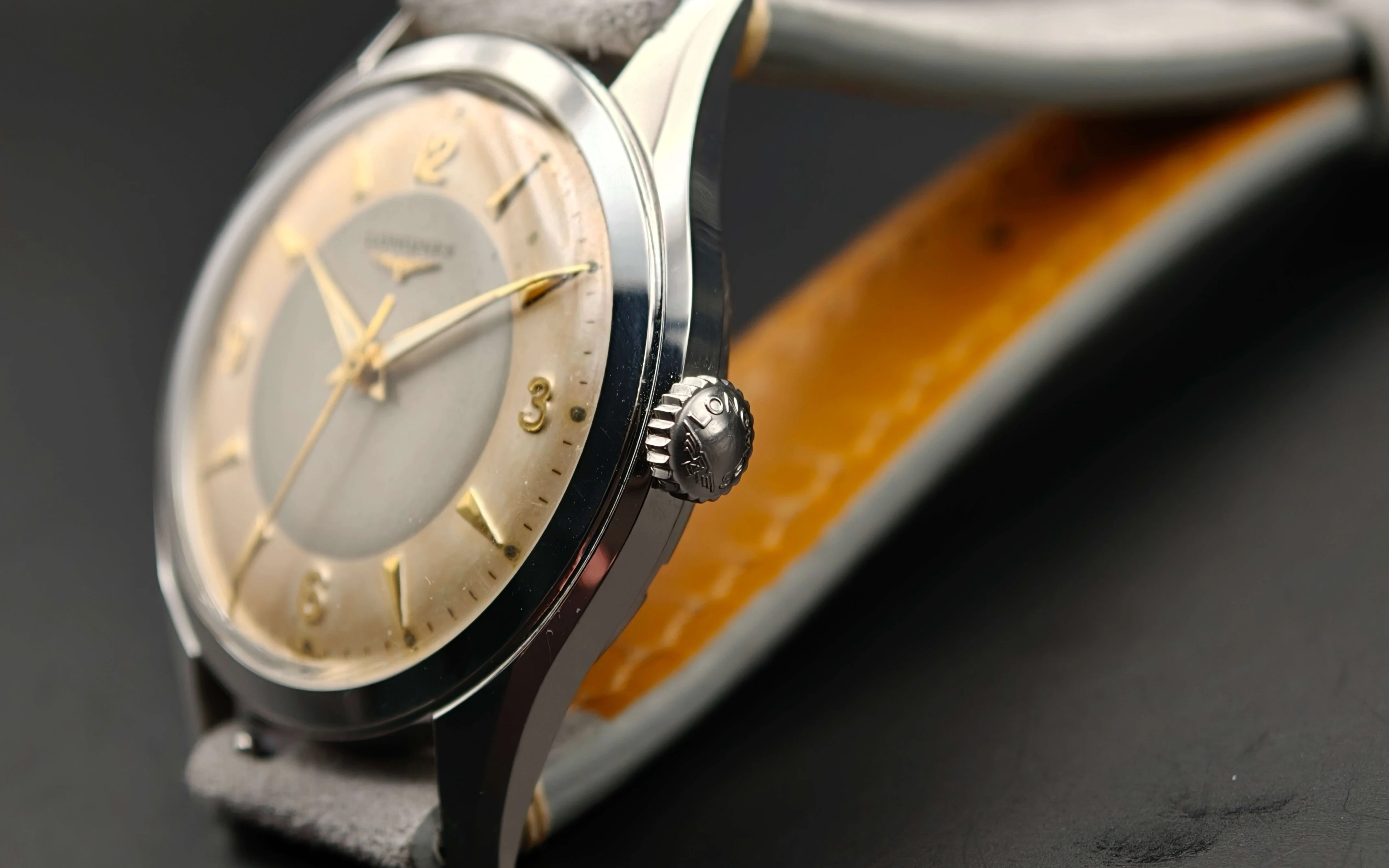
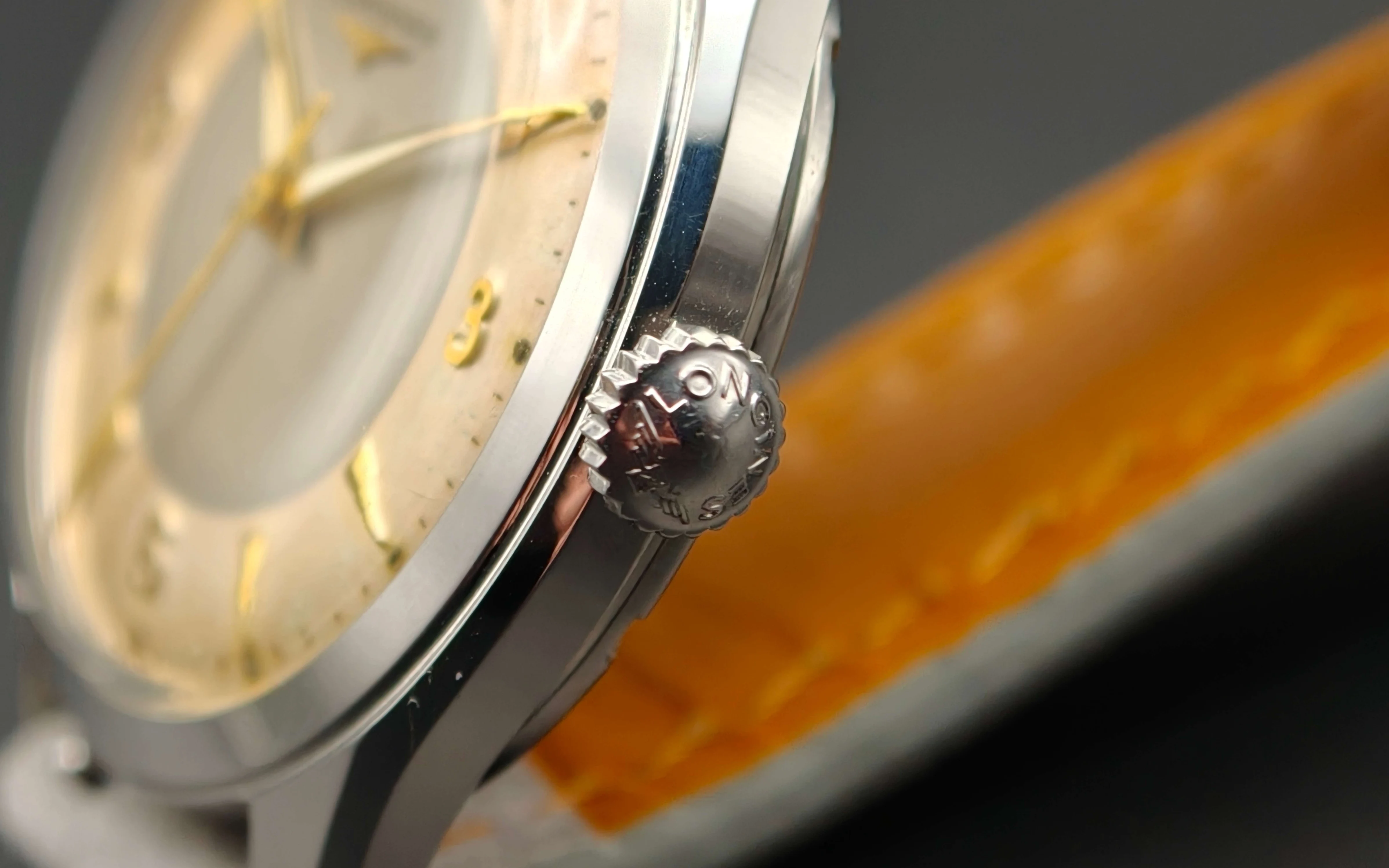
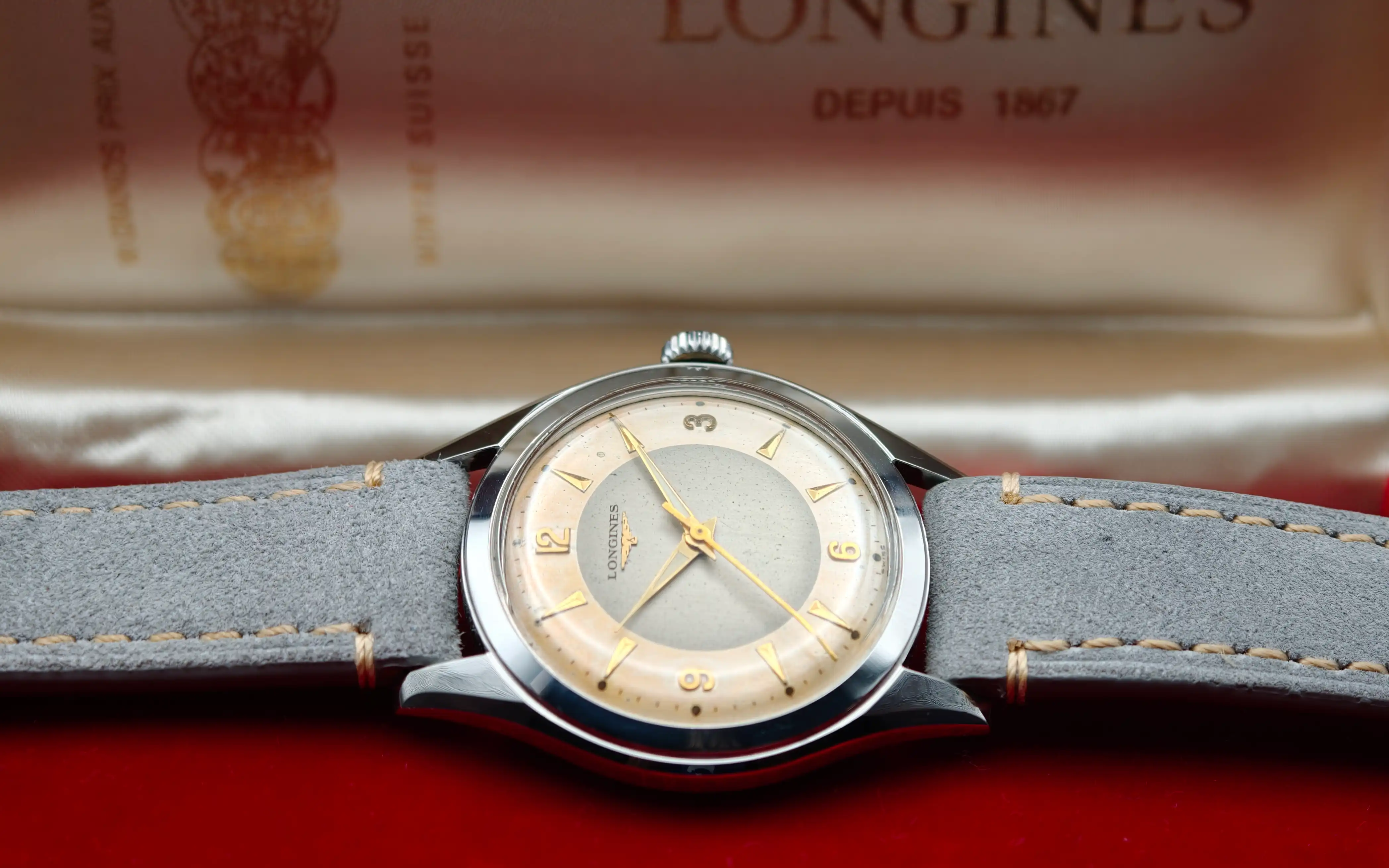
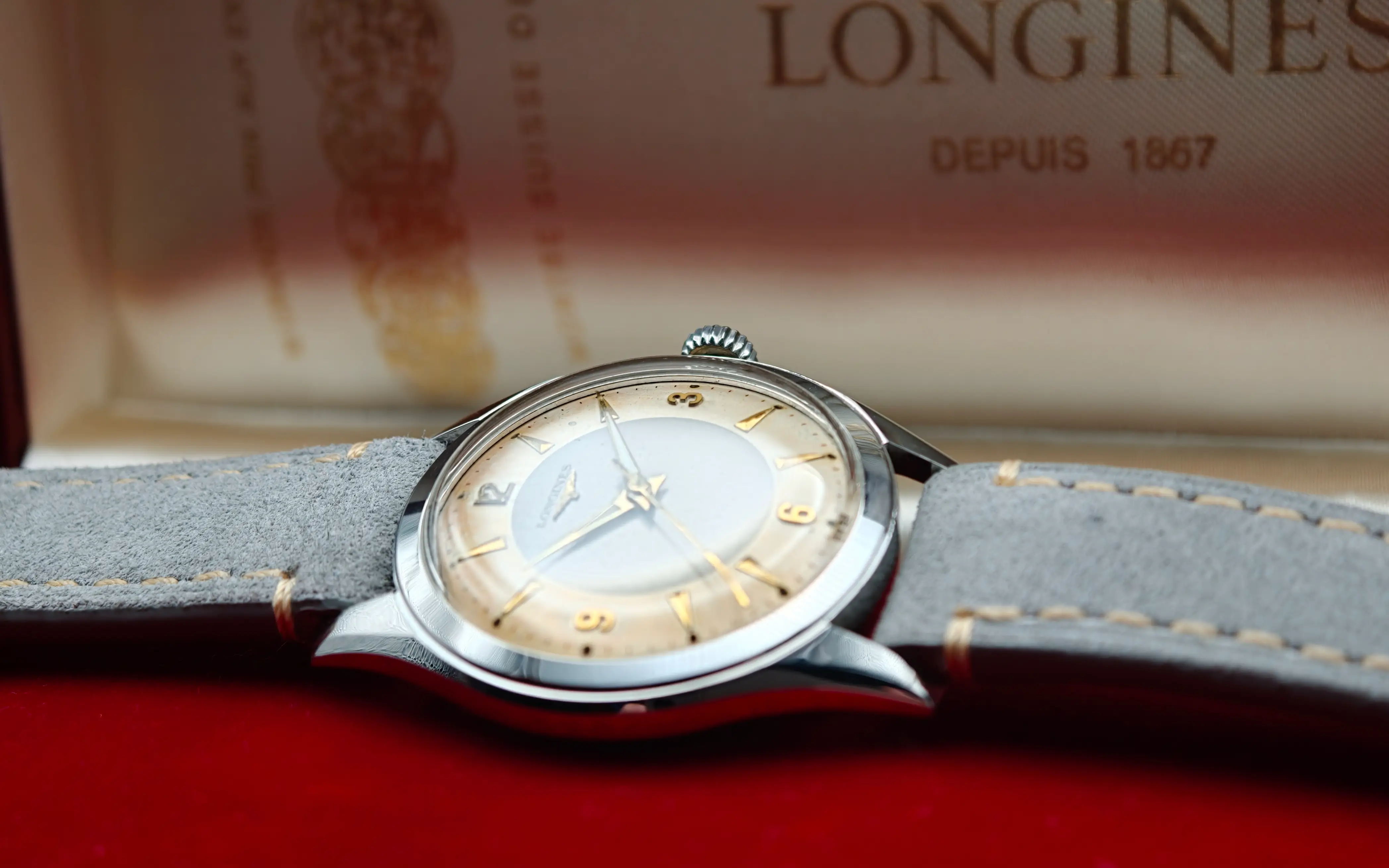
Few vintage watches carry their age as gracefully as this 1954 Longines ref. 6556. The 37mm steel case sits with quiet confidence on the wrist – substantial without being imposing – while the two-tone dial, with its gilt arrow indices and warm tropical patina, rewards anyone who takes a closer look. The case which is nearly pristine wearing only the faintest traces of a life well-lived, enhances the dials beauty.
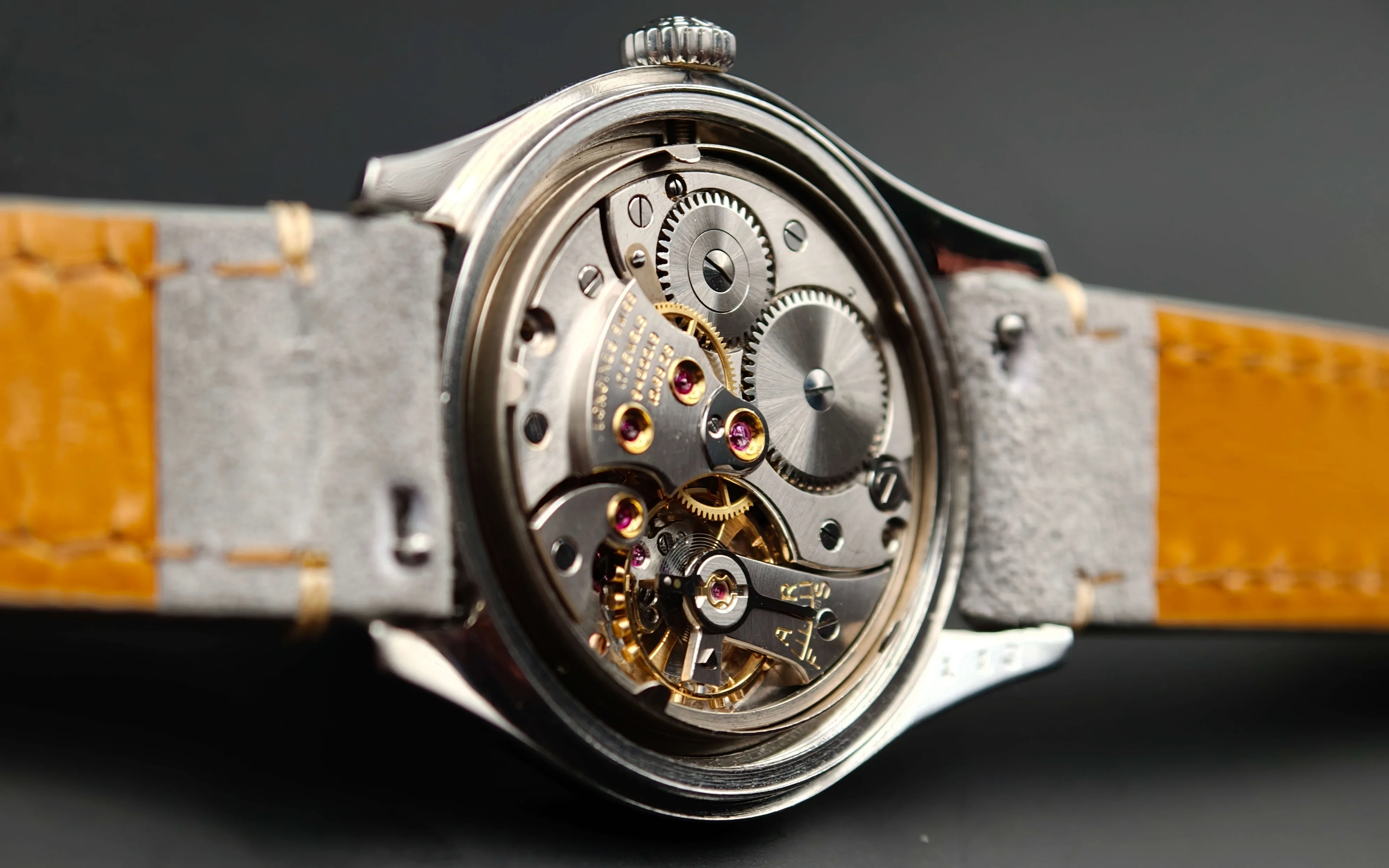
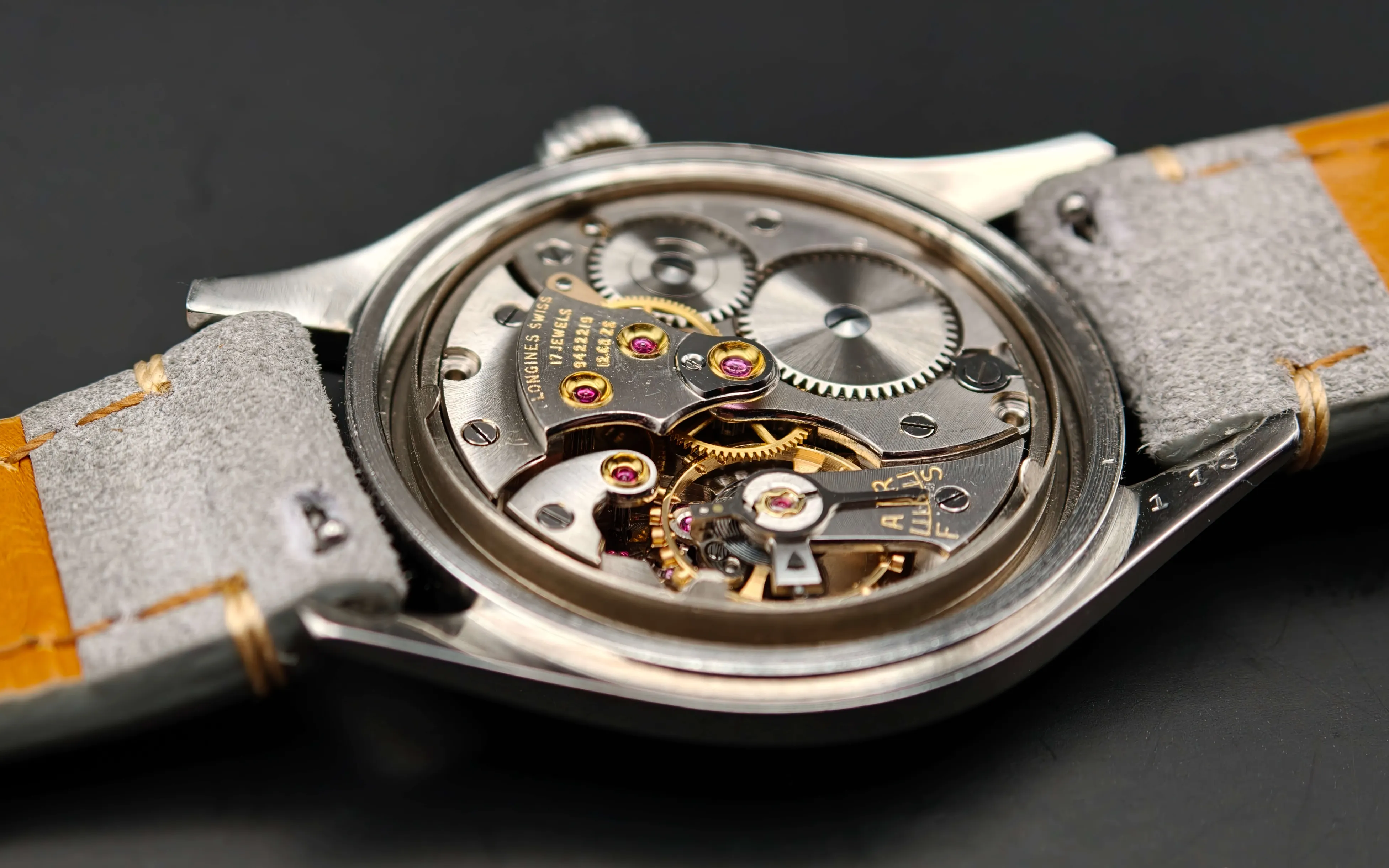
Powering it is the hand-wound caliber 12.68 ZS, a movement that speaks to an era when Longines was competing at the very top of Swiss watchmaking – precise, beautifully finished, and built to last. No gimmicks, no complications. Just honest watchmaking from one of Switzerland’s finest houses. A watch for those who appreciate quiet depth over bold display.

The rain had already stopped. The last raindrops clung to the coffee house window like tiny pearls, and the afternoon sun now glinted off the cobblestones of Saint-Imier below.


Fifteen minutes had passed since Jean-Pierre left behind the Longines manufacture with its distinctive tall glass windows, and now he settled back contentedly into the armchair of the café. The warmth of the teacup spread through his hands – the very same hands that, just an hour ago, had set down a finished Longines with a beautiful two-tone dial.


He unfolded his newspaper.

The lead article: Wilhelm Furtwängler. Passed away, 30 November 1954.

He set the paper down and gazed out of the window. Suddenly that tingling feeling came back to him – the one he had carried home from the concert. Barely seventy kilometres from where he now sat, in Lucerne, just one month ago, he had heard the master conduct Beethoven’s Ninth Symphony for the last time. Unforgettable. He turned the page pensively.


Football. Still football. Were they really still writing about that?

He shook his head in disbelief. He had been there in Bern at the World Cup that summer – had watched with his own eyes as the referee waved away the Hungarian equaliser. A goal, clearly. Four years unbeaten, the finest team in the world, and it had been taken from them in the cruellest way. The Germans hadn’t dared dream of it – not after losing 8–3 just weeks before. His eyes slid to the next article:


Ernest Hemingway had won the Nobel Prize. Jean-Pierre nodded approvingly and made a promise to himself – he would read „The Old Man and the Sea“ again.


His thoughts drifted back to the watch he had finished that morning. Pondered quietly. In ten years, in fifty, in eighty – would someone hold it and wonder about the world in which it was made? Would they remember Furtwängler, Bern, Hemingway’s stubborn old fisherman?


To be continued…


More than a watch. A window into history.

Baujahr: 1940
Material: Gold
Uhrwerk: Mechanisch
Caliber: 30t2
Durchmesser: 37mm

Longines stainless steel, 1950s

Year of manufacture: 1954
Material: Stainless-steel
Movement: Hand-wound
Caliber: 12.68 ZS (in-house)

Ref.: 6556
Diameter: 37mm
(measured without crown)

Few vintage watches carry their age as gracefully as this 1954 Longines ref. 6556. The 37mm steel case sits with quiet confidence on the wrist – substantial without being imposing – while the two-tone dial, with its gilt arrow indices and warm tropical patina, rewards anyone who takes a closer look. The case which is nearly pristine wearing only the faintest traces of a life well-lived, enhances the dials beauty.
Powering it is the hand-wound caliber 12.68 ZS, a movement that speaks to an era when Longines was competing at the very top of Swiss watchmaking – precise, beautifully finished, and built to last. No gimmicks, no complications. Just honest watchmaking from one of Switzerland’s finest houses. A watch for those who appreciate quiet depth over bold display.

The rain had already stopped. The last raindrops clung to the coffee house window like tiny pearls, and the afternoon sun now glinted off the cobblestones of Saint-Imier below.


Fifteen minutes had passed since Jean-Pierre left behind the Longines manufacture with its distinctive tall glass windows, and now he settled back contentedly into the armchair of the café. The warmth of the teacup spread through his hands – the very same hands that, just an hour ago, had set down a finished Longines with a beautiful two-tone dial.


He unfolded his newspaper.
The lead article: Wilhelm Furtwängler. Passed away, 30 November 1954.
He set the paper down and gazed out of the window. Suddenly that tingling feeling came back to him – the one he had carried home from the concert. Barely seventy kilometres from where he now sat, in Lucerne, just one month ago, he had heard the master conduct Beethoven’s Ninth Symphony for the last time. Unforgettable. He turned the page pensively.


Football. Still football. Were they really still writing about that?
He shook his head in disbelief. He had been there in Bern at the World Cup that summer – had watched with his own eyes as the referee waved away the Hungarian equaliser. A goal, clearly. Four years unbeaten, the finest team in the world, and it had been taken from them in the cruellest way. The Germans hadn’t dared dream of it – not after losing 8–3 just weeks before. His eyes slid to the next article:


Ernest Hemingway had won the Nobel Prize. Jean-Pierre nodded approvingly and made a promise to himself – he would read „The Old Man and the Sea“ again.


His thoughts drifted back to the watch he had finished that morning. Pondered quietly. In ten years, in fifty, in eighty – would someone hold it and wonder about the world in which it was made? Would they remember Furtwängler, Bern, Hemingway’s stubborn old fisherman?


To be continued…


More than a watch. A window into history.
Scroll to Top